Kategori: Global Automotive

PistonKafalar’s Global Automotive section delivers the latest car news, EV trends, concept reveals, and performance updates from around the world. It brings a unique perspective on innovation, design, and driving culture — all from Turkey’s trusted voice in car journalism.

  • Ferrari Elettrica Revealed: The First All-Electric Ferrari With 1,000+ HP and 530 km Range Makes History

    Ferrari Elettrica Revealed: The First All-Electric Ferrari With 1,000+ HP and 530 km Range Makes History

    Ferrari unveils its first all-electric supercar — the Ferrari Elettrica. Over 1,000 HP, 530 km range, 2.5s 0–100 km/h and 310 km/h top speed redefine Maranello’s future.

    A New Era in Ferrari Engineering

    For the first time in its 125-year history, Ferrari has introduced a fully electric supercar.
    At the Capital Markets Day 2025 event in Maranello, the brand officially unveiled the Ferrari Elettrica — a groundbreaking model that embodies Ferrari’s vision of the future of supercars, not merely as an EV but as a technological and emotional evolution.

    With over 1,000 horsepower, a 530 km WLTP range, and a 2.5-second sprint to 100 km/h, the Elettrica represents the pinnacle of Ferrari’s “multi-energy strategy.”
    After internal-combustion, hybrid, and plug-in hybrid models, this first 100% electric Ferrari showcases over 60 patented innovations, all developed in-house by Ferrari engineers — from the battery system to the inverter, from the chassis to the sound signature.
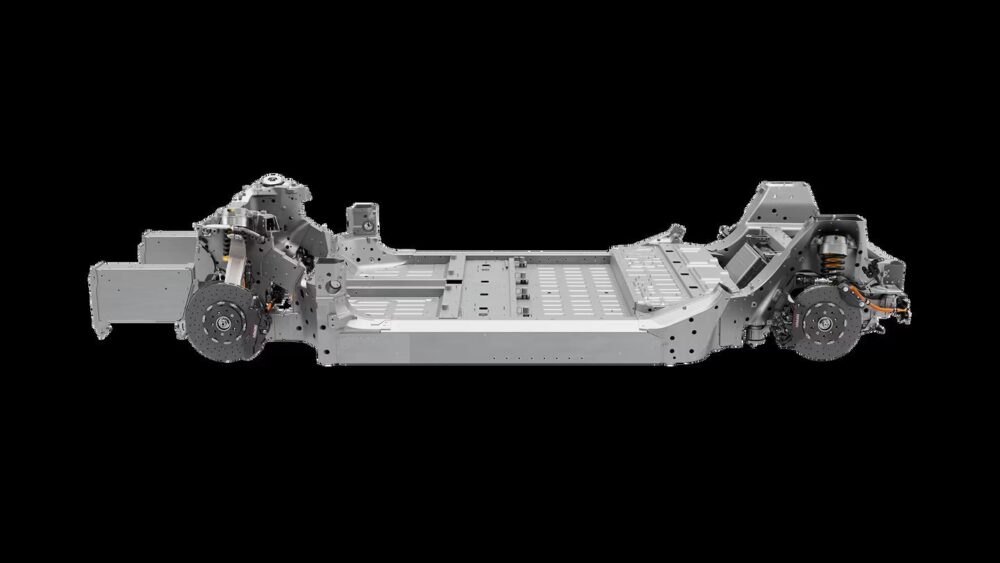

    Birth of a New Ferrari Architecture

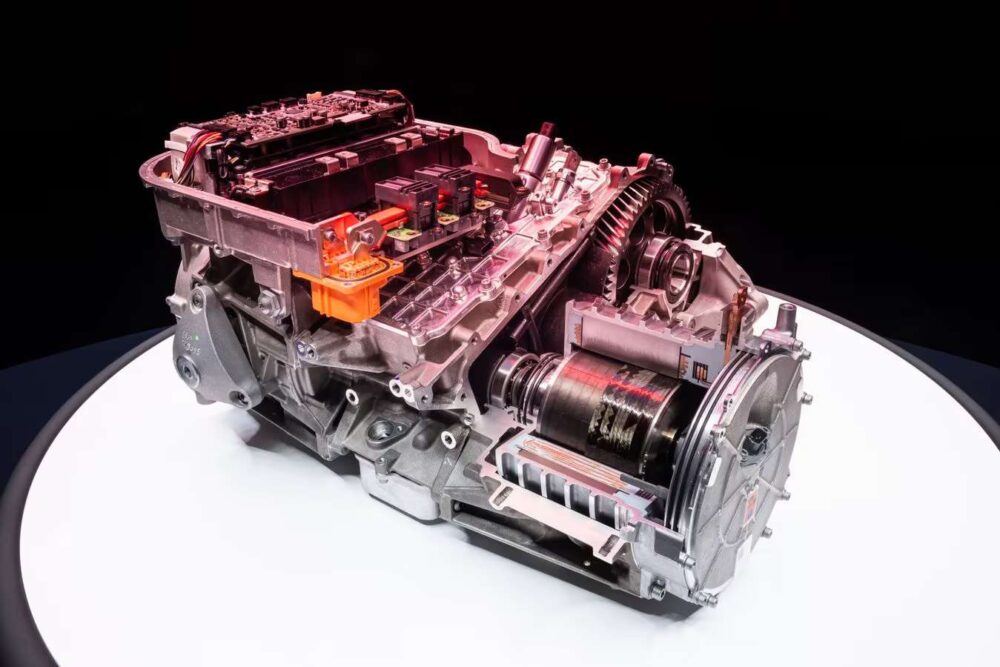
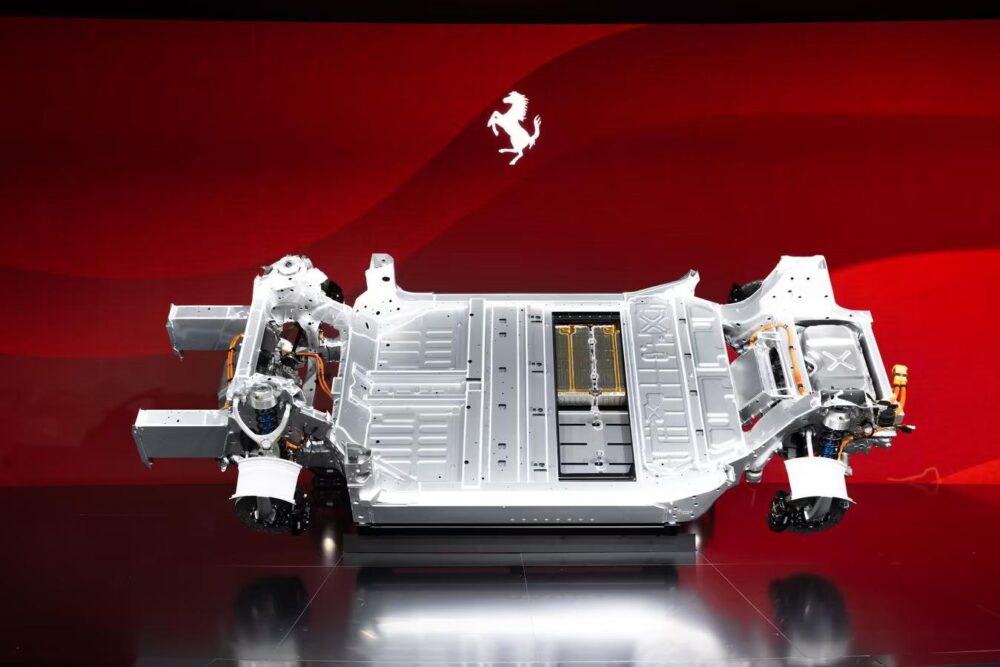
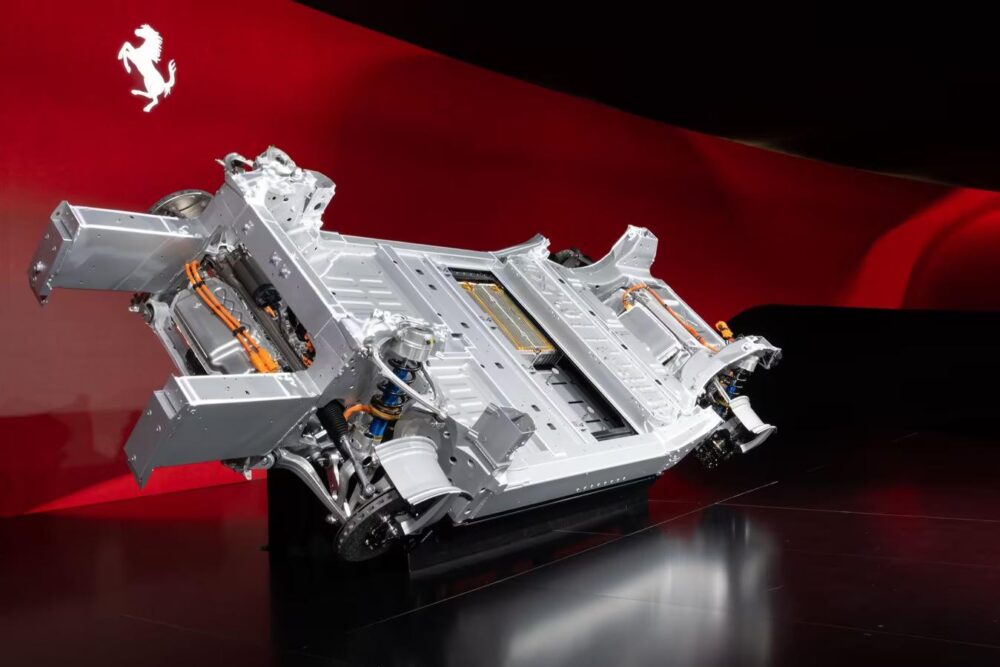
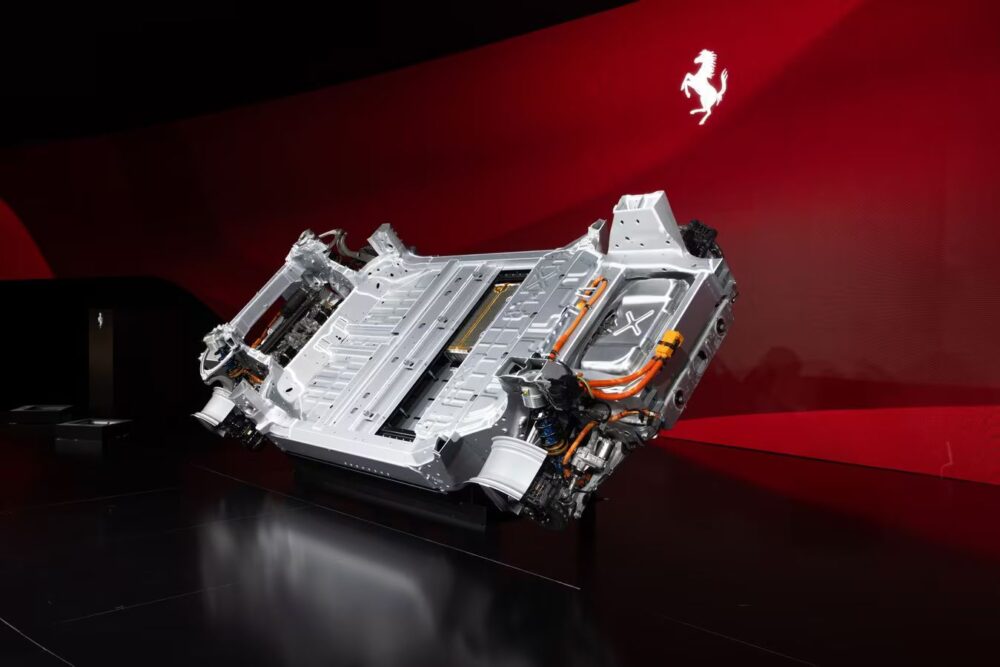
    The Ferrari Elettrica is built on a completely new aluminum and carbon-fiber chassis.

    • The structure and body are made of 75% recycled aluminum, saving 6.7 tons of CO₂ per car.
    • The battery is integrated into the floor, lowering the center of gravity by 80 mm, giving the car a magnet-like grip on the road.
    • Its architecture preserves Ferrari’s traditional mid-rear Berlinetta layout, with the driver positioned forward for maximum steering feedback — combining GT comfort with track-ready agility.

    Performance: 0–100 km/h in 2.5 s – Top Speed 310 km/h

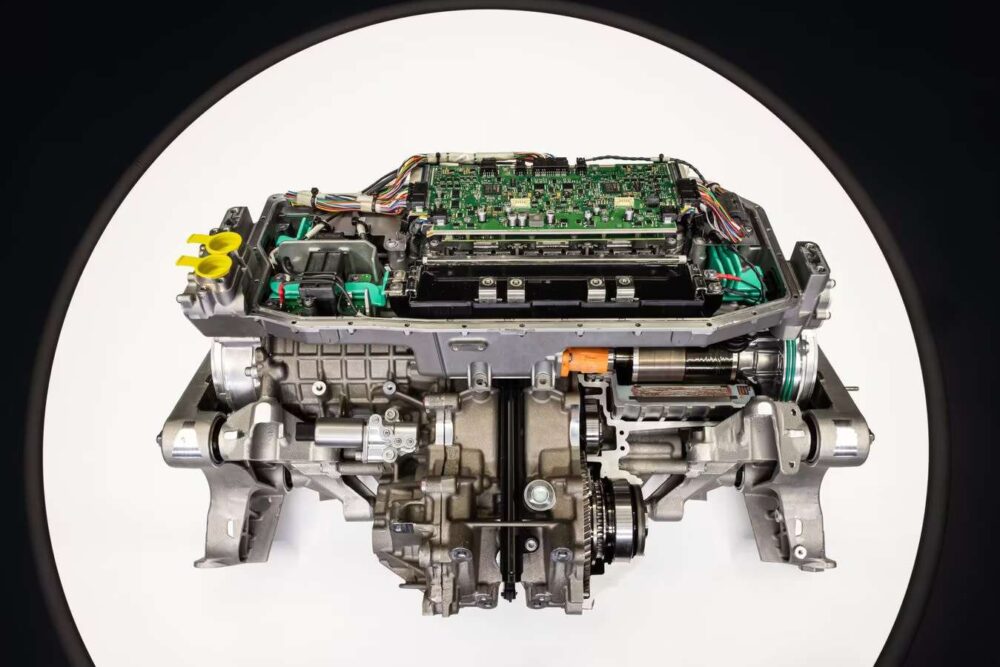
    At its heart lies a quad-motor all-wheel-drive system with independent front and rear setups:

    • Total output: Over 1,000 HP (in boost mode)
    • Maximum torque: 8,000 Nm (rear axle)
    • Top speed: 310 km/h
    • 0–100 km/h: 2.5 seconds
    • Range: 530 km (WLTP)

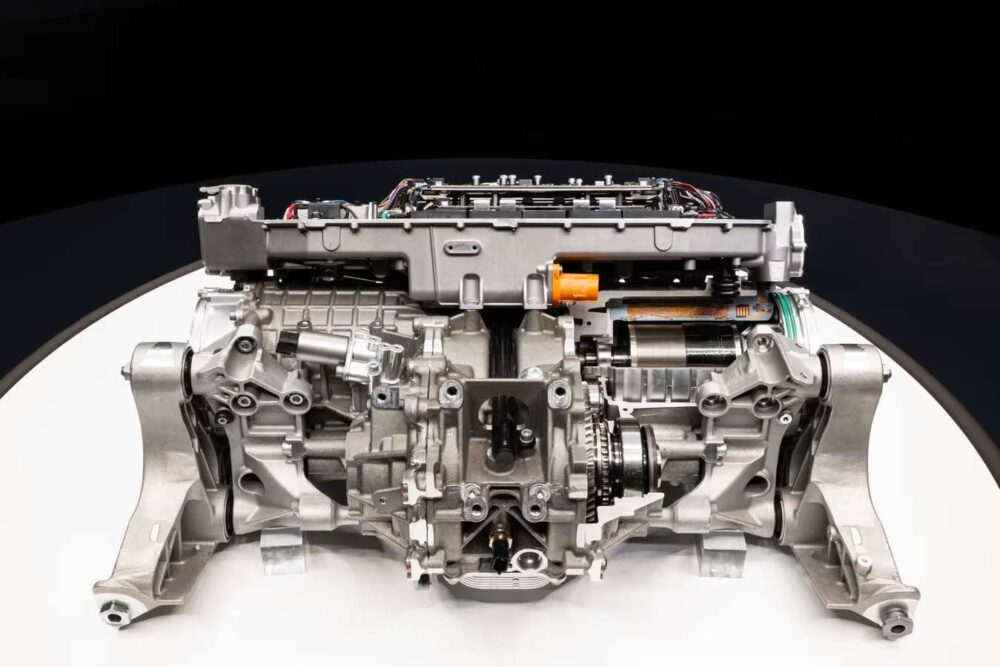
    Ferrari’s in-house permanent-magnet synchronous motors rev up to 30,000 rpm.

    • Front axle: 210 kW (3,500 Nm torque)
    • Rear axle: 620 kW (8,000 Nm torque)
    • Power density: 4.8 kW/kg (93% efficiency)

    The smart torque-vectoring system dynamically adjusts traction and can fully disengage the front axle when desired — restoring the authentic rear-wheel-drive Ferrari feel.
    🔋 Ferrari’s Integrated Battery Revolution

    Ferrari developed its own 122 kWh structural battery, setting new standards for performance and packaging:

    • Energy density: 195 Wh/kg — the highest in its segment
    • Architecture: 800V, supporting 350 kW ultra-fast charging
    • Charging time: 15–80% in 15 minutes
    • Weight balance: 47:53 (front/rear)
    • Structural integration: The battery forms part of the chassis for added rigidity and crash resistance

    Like its legendary predecessors, Ferrari Elettrica treats the battery not just as an energy source but as a core structural component, enhancing stiffness and safety while keeping weight centralized.


    🎵 The True Ferrari Sound — Electric, Yet Alive

    Ferrari chose authenticity over artificiality. Instead of synthetic engine noise, the Ferrari Elettrica produces sound from real mechanical vibrations.

    • High-precision sensors on the rear axle capture natural motor resonance.
    • These vibrations are amplified through metallic resonance chambers.
    • The result is a raw, organic, and unmistakably Ferrari sound signature.

    This feature activates only in Performance mode — ensuring serenity during cruising, but a thrilling aural feedback when acceleration or paddle shifts are engaged.


    🧠 Active Suspension and Dynamic Management

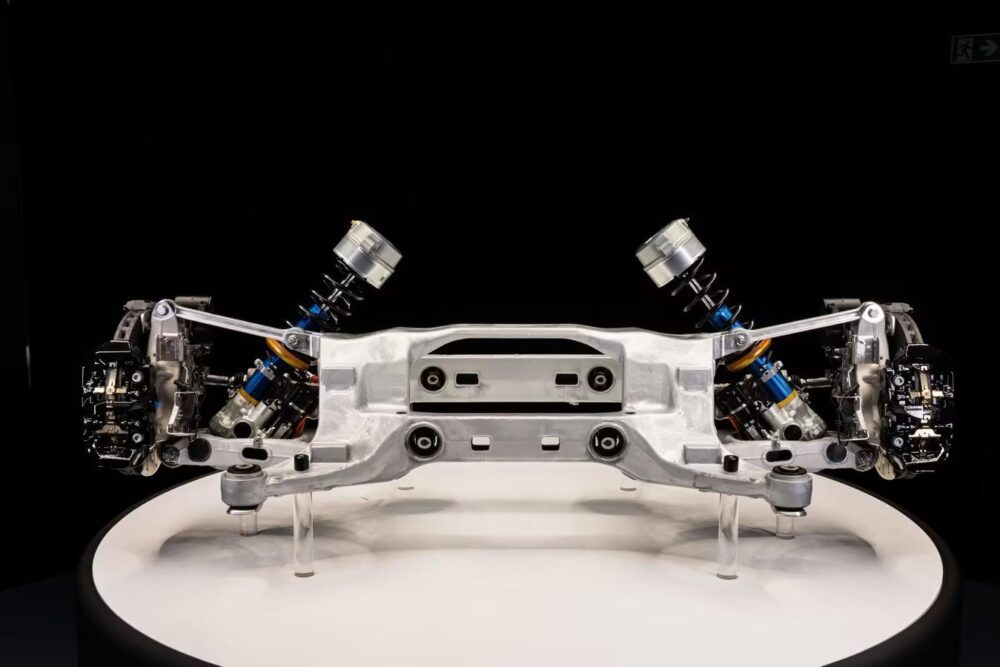
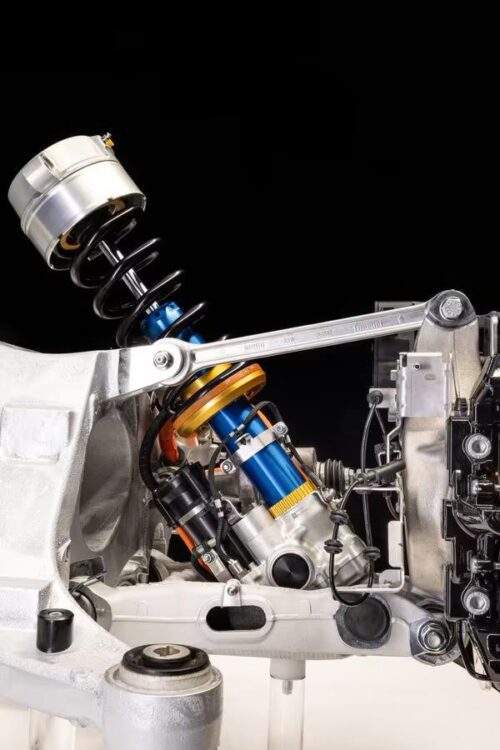
    The Elettrica debuts Ferrari’s third-generation 48V active suspension system:

    • Independent vertical force control on each wheel
    • Vehicle Control Unit algorithms updated at 200 Hz
    • Body roll and weight transfer reduced by 20%
    • Perfect balance between comfort and handling

    Thanks to Torque Shift Engagement, the driver can transition smoothly through five power levels, emulating the sensation of shifting gears in traditional Ferraris.


    ⚙️ Introducing eManettino: Ferrari’s Electric DNA

    Ferrari expands its iconic Manettino with a digital evolution — the eManettino system.
    Drivers can customize power output, traction layout (RWD/AWD), and energy management across three modes:

    1. Range: Maximum efficiency and minimal consumption
    2. Tour: Balanced power and comfort
    3. Performance: Full torque, all motors active, pure adrenaline

    Piston Kafalar Comment

    With the Elettrica, Ferrari hasn’t merely gone electric — it has redefined automotive engineering itself.
    Over 1,000 horsepower, 530 km range, and 2.5 seconds to 100 km/h are impressive enough — yet the true revolution lies in how Ferrari blends this power with its signature soul and passion.

    The Ferrari Elettrica might well be the first electric supercar to create a genuine emotional and mechanical connection — far beyond rivals like the Tesla Roadster or Rimac Nevera.

    This car symbolizes Ferrari’s determination to lead the electric era without surrendering its spirit.
    Maranello’s heartbeat is no longer silent — it pulses with electric current.

    You can find Ferrari’s current models and full lineup on Ferrari’s official website.”
    👉 Ferrari Official Car Range
    You may also like

    1. The Legend Returns: All-Electric Renault 5 Turbo 3E Shines at Tour de Corse with 555 HP
    Read how Renault resurrects a classic with the all-electric 5 Turbo 3E — combining heritage and 555 HP performance.

    2. 1,100 HP V12 Turbo: Pininfarina’s AI-Assisted Hypercar
    Discover Pininfarina’s next-gen hypercar that fuses a 1,100 HP V12 engine with AI-enabled driving support.

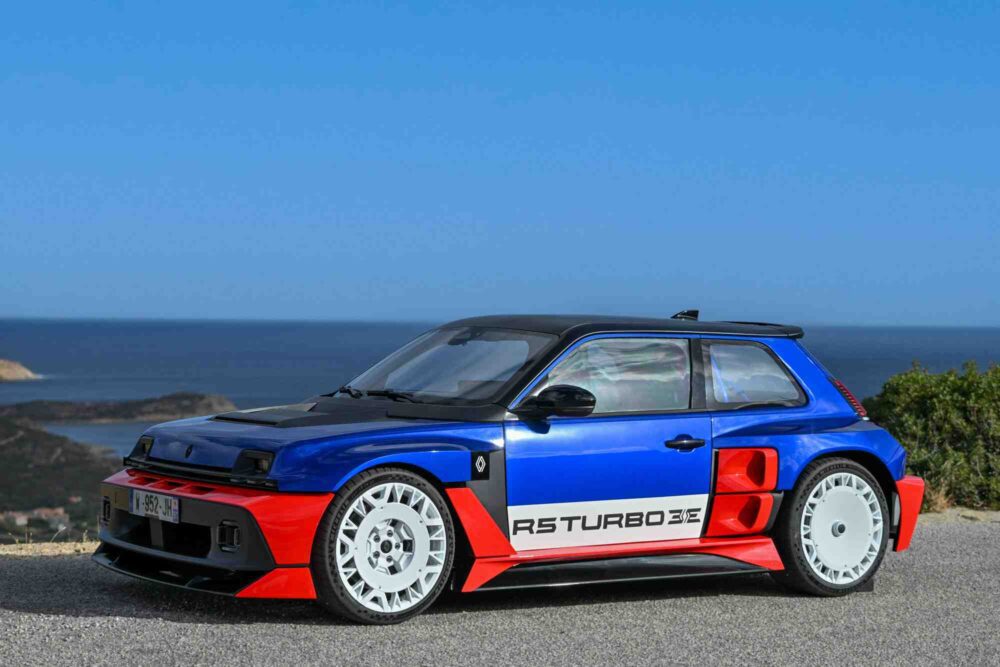
  • The Legend Returns: All-Electric Renault 5 Turbo 3E Shines at Tour de Corse with 555 HP!

    The Legend Returns: All-Electric Renault 5 Turbo 3E Shines at Tour de Corse with 555 HP!

    Renault revives an icon — the 555 HP all-electric Renault 5 Turbo 3E takes the spotlight at Tour de Corse, blending heritage with modern EV power.

    The Legend Reborn

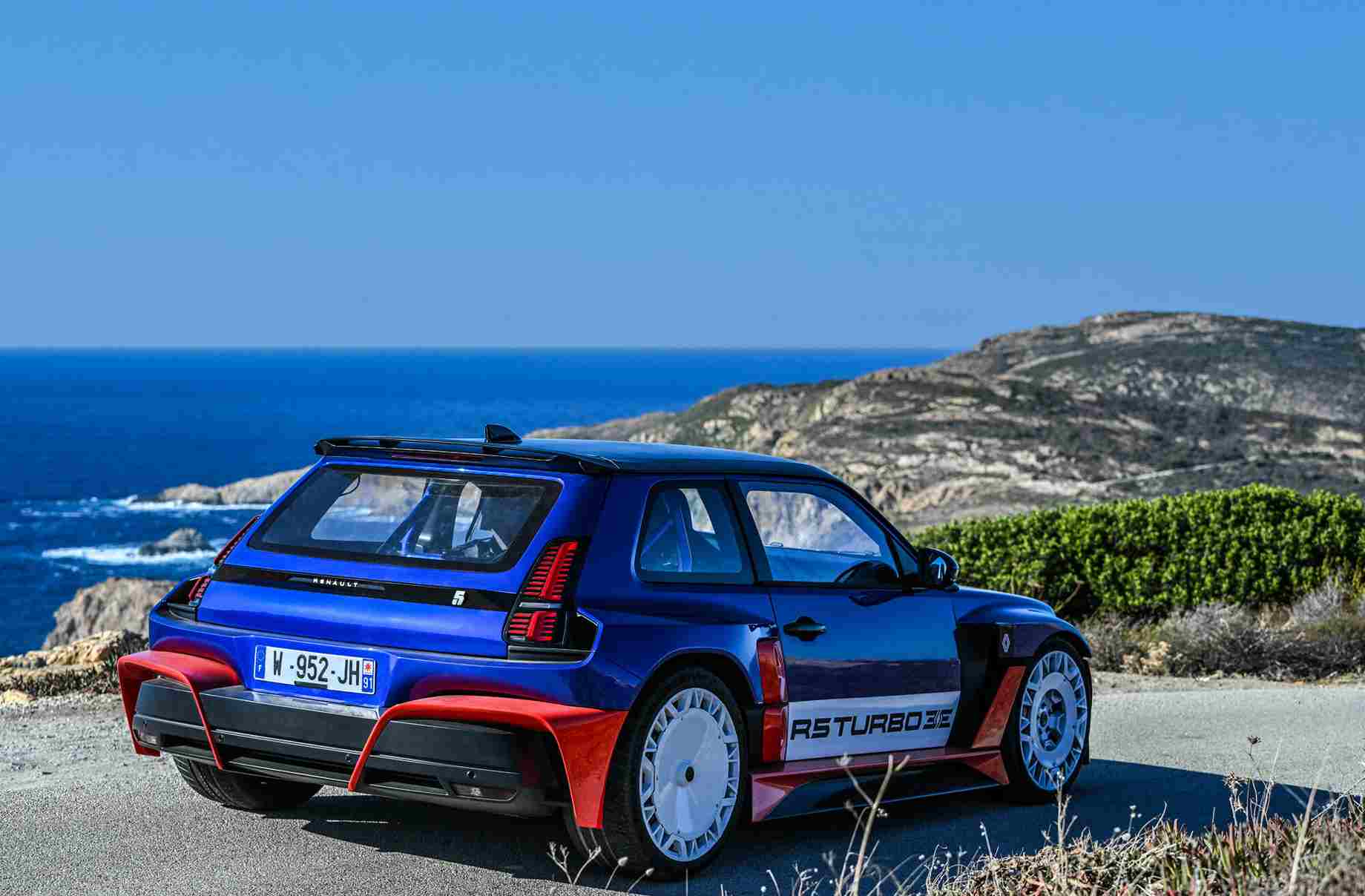
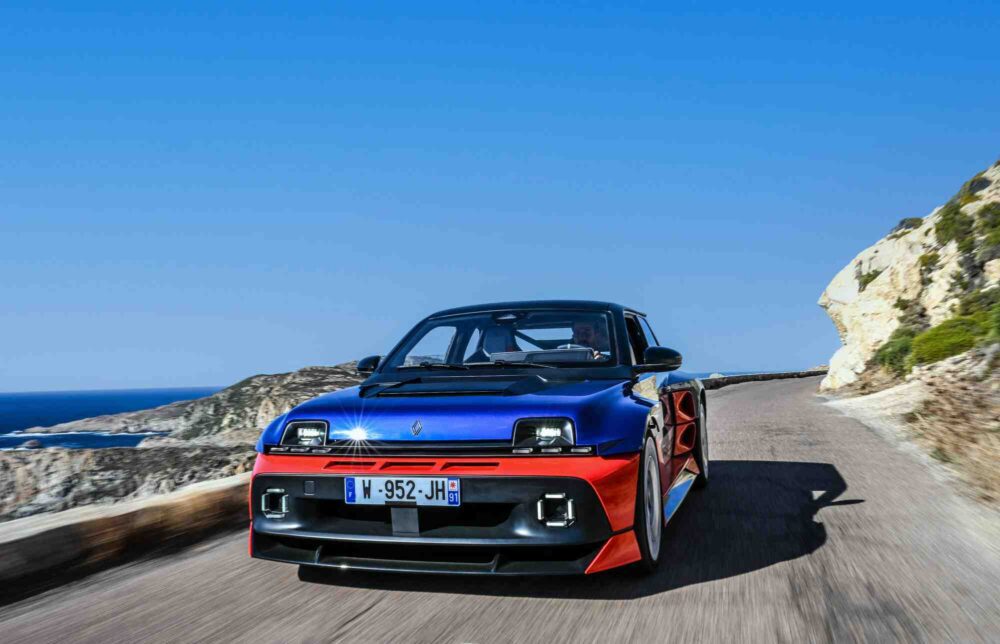
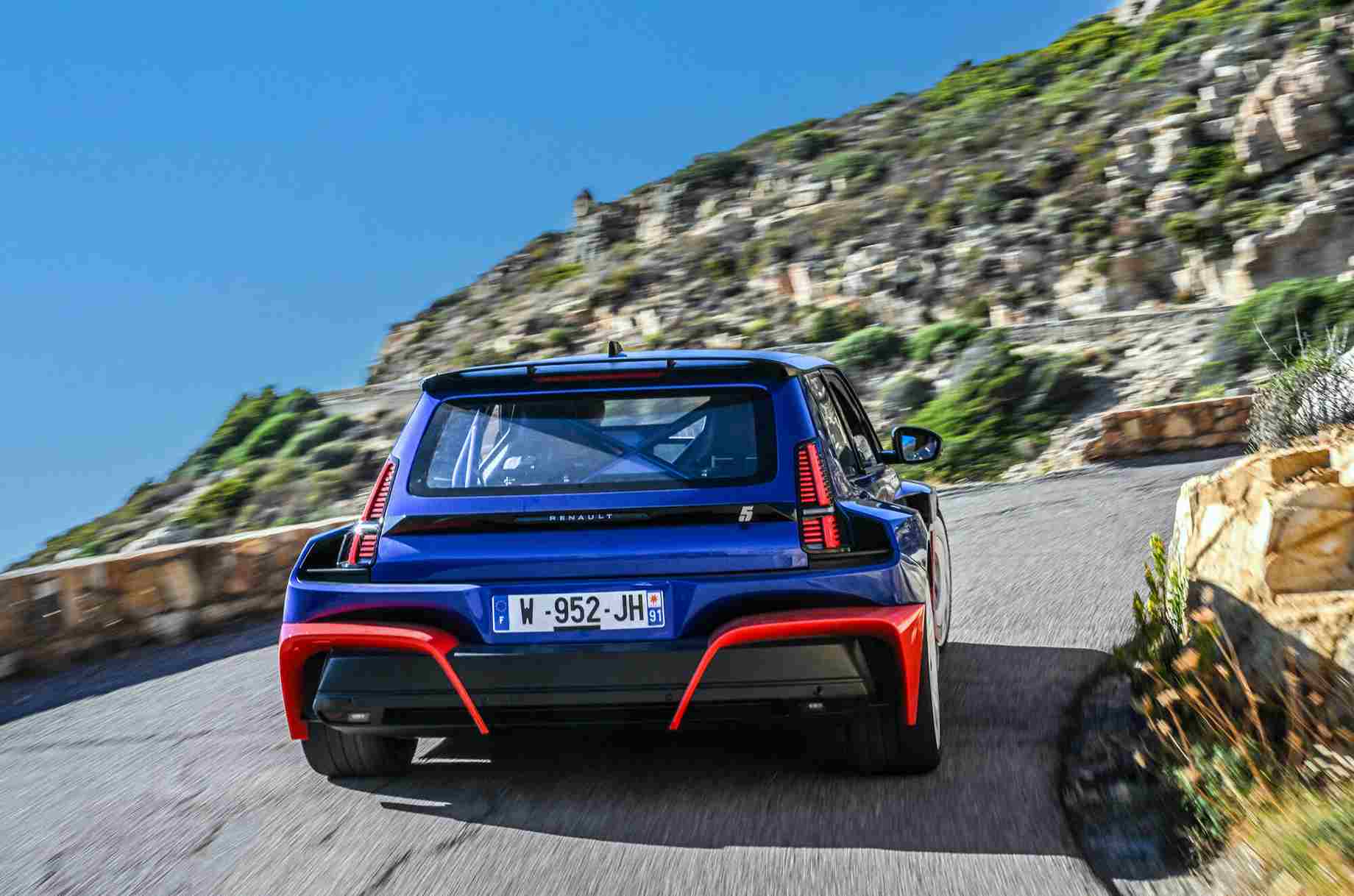
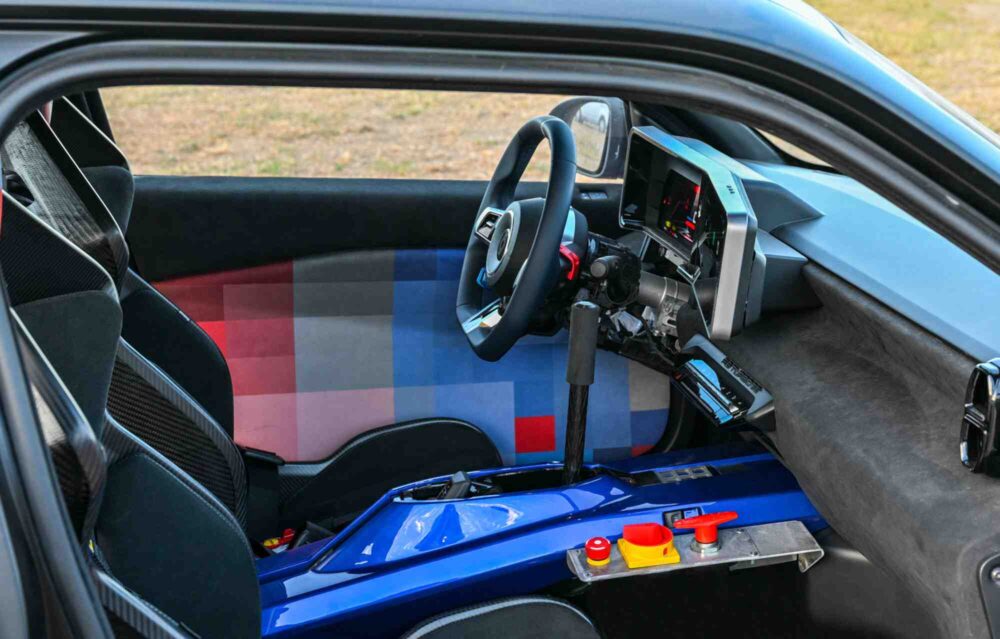
    Renault has merged the spirit of the iconic 1980s Renault 5 Turbo and Turbo 2 with the dynamism of the electric era. The Renault 5 Turbo 3E, dubbed a “mini supercar,” made its public debut at the historic Tour de Corse Rally, delivering its first open-road demonstration drive.

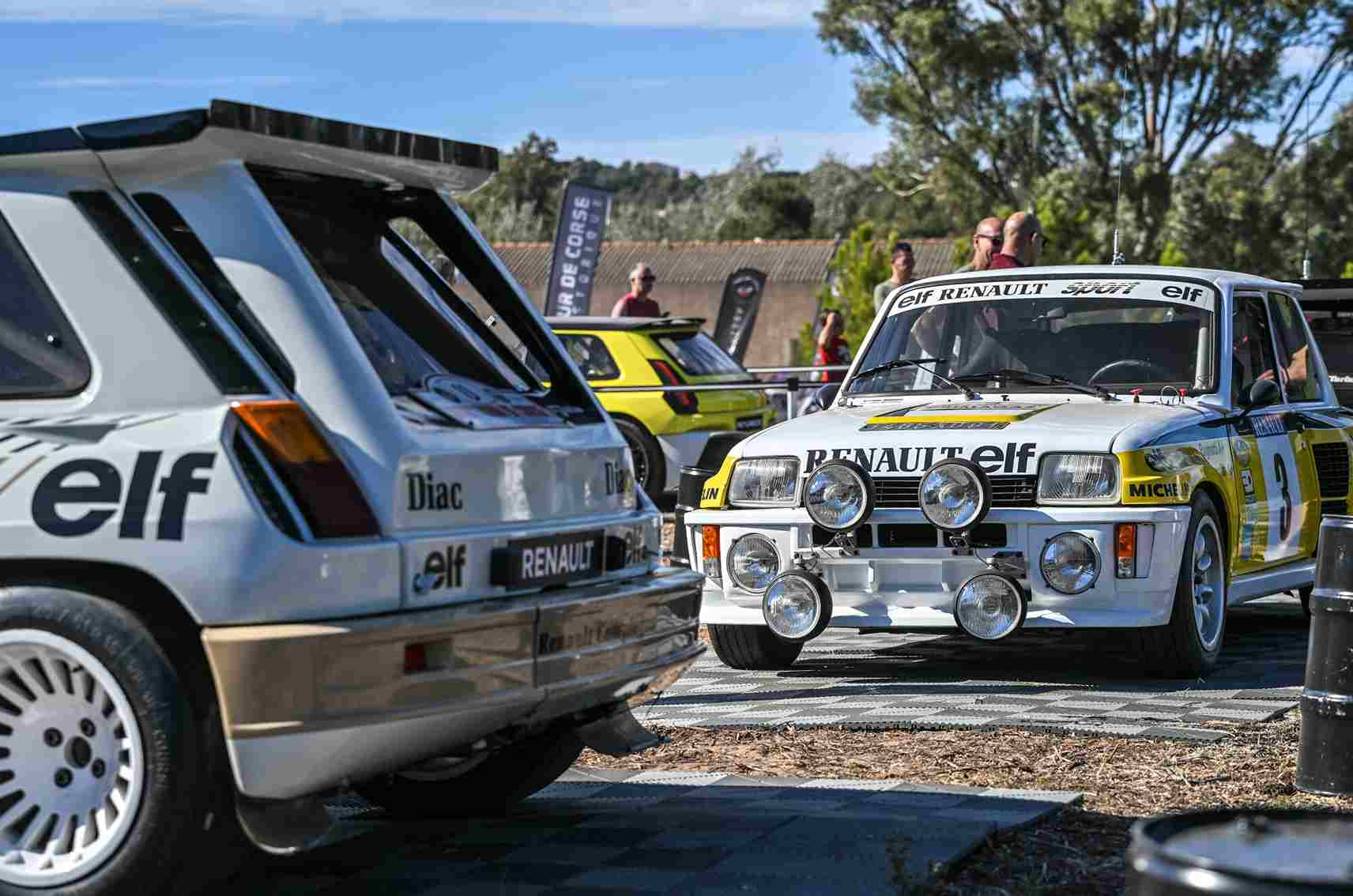
    This year marks the 40th anniversary of Jean Ragnotti’s legendary victory in the 1985 Maxi 5 Turbo. Two advanced prototype models performed exhilarating drift sessions during the event, capturing huge public attention.


    555 HP of Pure Electric Power

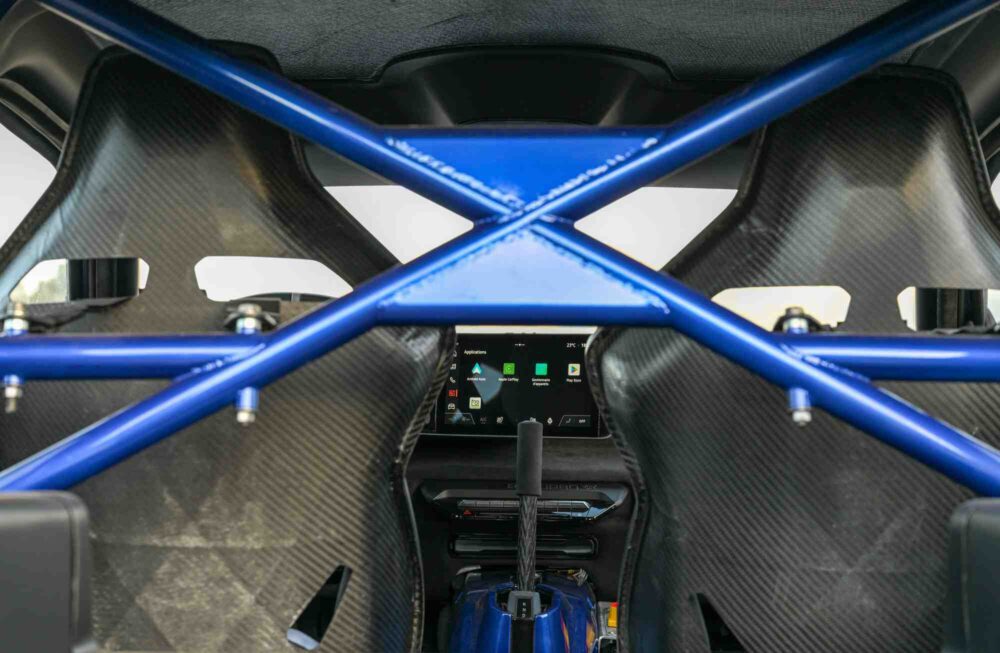
    Developed by Alpine engineers, the Renault 5 Turbo 3E is built on a fully aluminum platform reinforced with carbon-fiber body elements — ensuring both lightness and rigidity. The twin rear-mounted electric motors deliver a combined 555 HP (2×204 kW) and an astonishing 4,800 Nm of torque. As a result, the car accelerates from 0–100 km/h in under 3.5 seconds.

    Beyond raw power, the 5 Turbo 3E offers supreme agility with independent torque control for each wheel and a true two-seater sports DNA. Measuring 4.08 meters long and 2.03 meters wide, its stance is pure racing pedigree.


    At the Heart of History: Tour de Corse

    The unveiling took place in Calvi, Corsica, along the iconic Notre Dame de la Serra and Montegrosso stages. The car was driven by Renault brand ambassador Julien Saunier, who also participated in the rally using a livery inspired by Ragnotti’s 1985 Maxi 5 Turbo.

    “This car is a pure super sports machine! Its acceleration is incredible, braking power is immense, and its drifting ability is phenomenal. The driving experience is simply unmatched.”
    Julien Saunier, Renault Brand Ambassador


    Technical Highlights

    • Power: 555 HP (2×204 kW)
    • Torque: 4,800 Nm
    • Weight: 1,450 kg
    • Battery: 800V architecture, 70 kWh capacity
    • Charging: 15–80% in just 15 minutes (330 kW DC fast charge)
    • Range: 400+ km (WLTP)

    Collector’s Edition: Limited to 1,980 Units

    Only 1,980 units of the Renault 5 Turbo 3E will be produced — a symbolic nod to the original Renault 5 Turbo’s 1980 debut. The model will be available in Europe, Japan, the Middle East, and Australia, starting from €160,000. Customers who pre-order with a €50,000 deposit will gain personalization access and production priority.


    Historic Colors and Customization

    Renault will launch a bespoke customization program in 2026, allowing owners to design their own 5 Turbo 3E with legendary racing liveries. Buyers can select from the 1982 Tour de Corse yellow-black-white scheme or create fully custom designs. Deliveries will begin in the first half of 2027.


    Renault 5 Turbo 3E: Electric Soul, Legendary Heart

    The Renault 5 Turbo 3E fuses the passion of the past with the innovation of the future — a modern rally legend reborn as a symbol of Renault’s electric-mobility vision.


    Piston Kafalar Comment

    Renault has successfully resurrected a racing legend through cutting-edge EV technology. The 5 Turbo 3E, with its nostalgic design and 555 HP of instant electric power, pays homage not only to Renault’s heritage but also to its forward-looking ambition. Its debut at the emotional stage of Tour de Corse amplifies the sense of continuity between history and modern performance.

    Just as the Tesla Model Y redefined the electric SUV value equation, Renault is now redefining the electric rally spirit. With 3.5-second acceleration, 400-km range, and 800V charging, this car stands as a bold signature of French engineering for the EV era.

    The Renault 5 Turbo 3E is set to become one of the most exhilarating heartbeat-raising icons of the electric age.

    For detailed information about the brand, you can visit Renault’s official website

    You may also like

    1. Tesla’s Most Affordable Model Arrives: Model Y Priced at €41,630
    Tesla redefines the entry-level EV market with its most affordable Model Y — offering premium performance at a breakthrough price point.

    2. Tesla’s Cheapest Sedan Arrives: Model 3 Standard at €36,990
    Meet the new Model 3 Standard, Tesla’s most accessible sedan yet — blending range, technology, and minimalist design for global markets.

  • Tesla’s Cheapest Sedan Arrives: Model 3 Standard at $36,990!

    Tesla’s Cheapest Sedan Arrives: Model 3 Standard at $36,990!

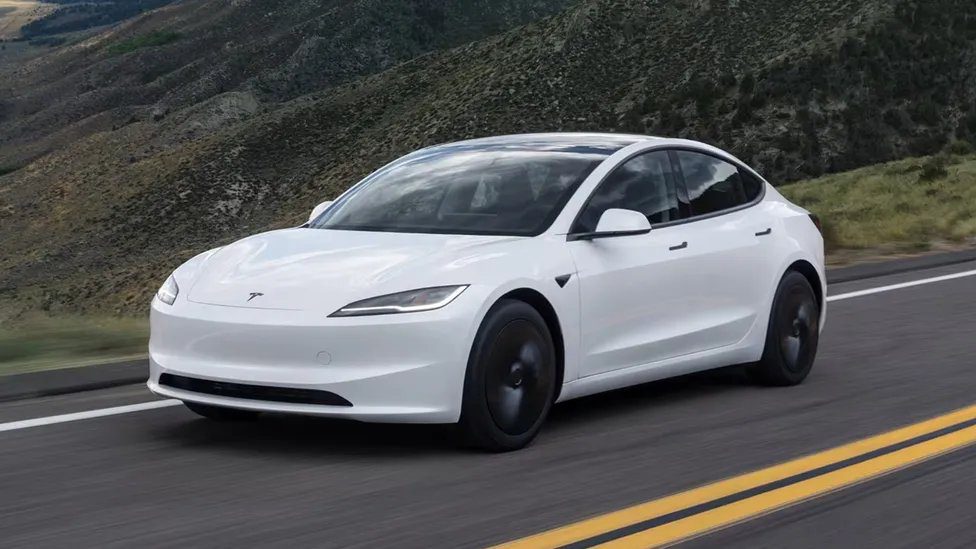
    Tesla introduces its most affordable sedan yet — the Model 3 Standard — priced at $36,990, offering 321 miles of range, 5.8 seconds to 60 mph, and a simplified equipment list.

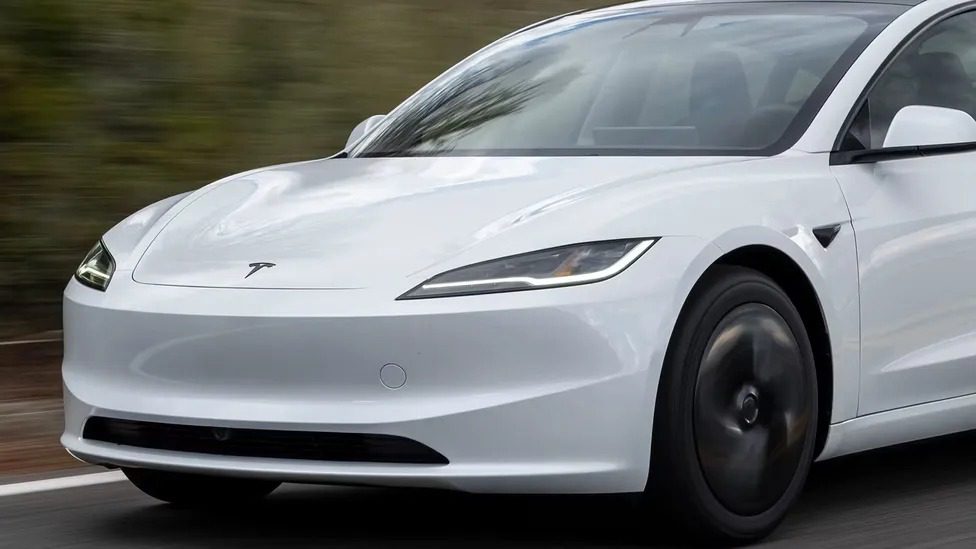
    Tesla is entering a new phase in its pricing strategy. Following the introduction of the Model Y Standard, the company has now launched the Model 3 Standard. With a starting price of $36,990, this becomes Tesla’s most affordable sedan, offering 321 miles (517 km) of range and a streamlined configuration that emphasizes practicality over luxury.

    Smaller Battery, Single Motor, 321-Mile Range

    The new Model 3 Standard comes with a smaller battery pack compared to the “Premium” version. While Tesla doesn’t reveal the exact capacity, its single rear-wheel-drive motor setup enables a 321-mile (517 km) range. Acceleration from 0–60 mph takes 5.8 seconds, and the top speed is 125 mph (201 km/h).

    These figures clearly position the Model 3 Standard not as a performance EV, but as a gateway to affordable electric mobility.

    $3,000 Cheaper Than Model Y

    The Model 3 Standard is $3,000 cheaper than its SUV sibling, the Model Y Standard. The difference is largely due to its smaller body size and a simplified feature list. Tesla’s strategy aims to appeal both to budget-conscious drivers and urban commuters who prioritize efficiency over performance.

    In the U.S., Tesla’s updated pricing list shows:

    • Model 3 Standard: $36,990
    • Model Y Standard: $39,990

    For the first time, Tesla offers two “Standard” models simultaneously in the market, each catering to a different audience segment.

    Simplified Equipment Package

    To reduce costs, Tesla has removed or simplified several components in the Model 3 Standard.

    • 18-inch alloy wheels come as standard.
    • Manual adjustments for the steering wheel and side mirrors.
    • FM/AM radio, rear passenger display, and ambient lighting have been removed.
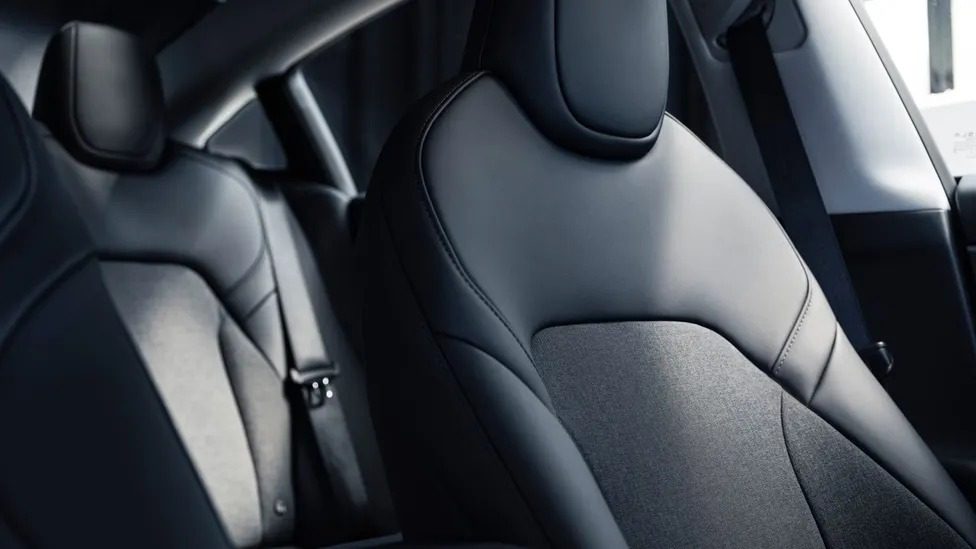
    • Cloth seats replace the vegan leather upholstery.
    • Passive dampers replace adaptive suspension for a smoother, simpler setup.

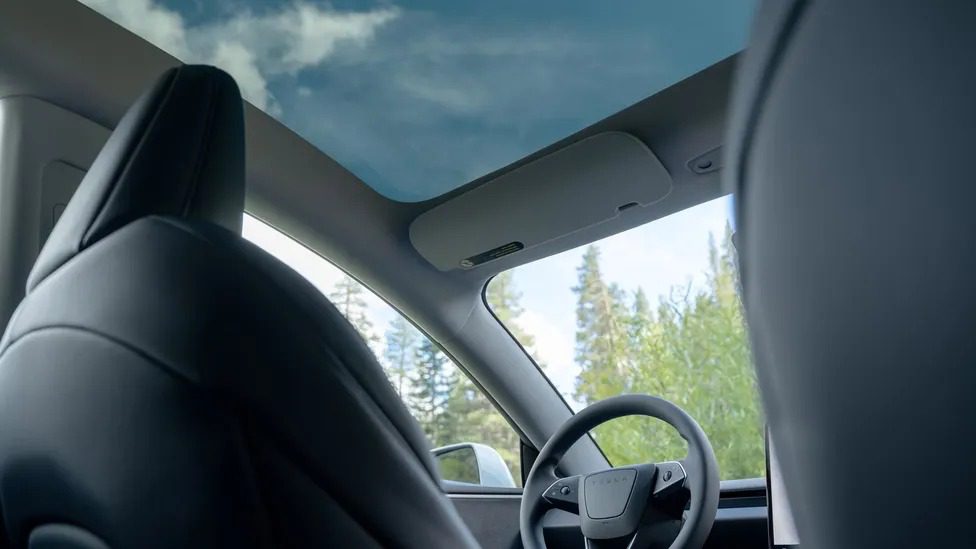
    Despite the cost-cutting measures, the car retains the 15.4-inch central touchscreen, and unlike the Model Y Standard, it keeps a visible panoramic glass roof.

    Model 3 Standard vs. Model Y Standard

    SpecificationModel 3 StandardModel Y Standard
    Price$36,990$39,990
    Range321 miles (517 km)321 miles (517 km)
    0–100 km/h5.8 sec6.8 sec
    DrivetrainRWDRWD
    BatterySmaller module (single motor)69 kWh (single motor)

    Both models share the same “Standard” philosophy — single motor, rear-wheel drive, and simplified design — aimed at making electric mobility more accessible worldwide.


    Piston Kafalar Comment ⚡

    Tesla recently expanded its lineup with the $41,630 Model Y Standard, bringing affordability to the electric SUV segment. Now, with the $36,990 Model 3 Standard, the company pushes accessibility even further into the sedan market.

    Both vehicles embody Tesla’s vision of “maximum efficiency without premium extras.”
    While the Model 3 Standard focuses on urban users with its 321-mile range and minimalist build, the Model Y Standard offers SUV practicality and slightly stronger acceleration (4.6 seconds) for family buyers.

    This move places Tesla in direct competition with mainstream EVs such as the BYD Dolphin, MG4, Renault Megane E-Tech, and Hyundai Kona Electric. Tesla still maintains a strong edge through its software ecosystem, OTA updates, and Supercharger network — key differentiators in the sub-$40,000 segment.

    However, the removal of certain features (radio, seat heating, ambient lights) may be seen by some enthusiasts as a bit too minimalist, raising questions about Tesla’s balance between cost-cutting and brand identity.

    Ultimately, the Model Y and Model 3 Standard duo mark Tesla’s first real step toward “an EV for every budget.”
    These models are expected to boost global sales volume and intensify competition across electric vehicle markets worldwide.

    For more information, visit Tesla’s official website.

    You Might Also Like

    • Tesla’s Most Affordable Model Arrives: Model Y Priced at $41,630
      Tesla expands its affordable EV lineup with the Model Y Standard, offering 321 miles of range and a new entry point to the brand.
      👉 Read more
    • 1,100 HP V12 ‘Turbio’: Pininfarina’s AI-Assisted Hypercar
      The Italian design legend returns with an AI-enhanced, 1,100-horsepower masterpiece that redefines automotive artistry.
      👉 Read more
    • Tom Matano, the Father of the Mazda Miata and RX-7, Has Passed Away
      A heartfelt tribute to the visionary designer behind Mazda’s most beloved sports cars.
      👉 Read more

  • Tesla’s Most Affordable Model Arrives: Tesla Model Y Priced at $41,630!

    Tesla’s Most Affordable Model Arrives: Tesla Model Y Priced at $41,630!

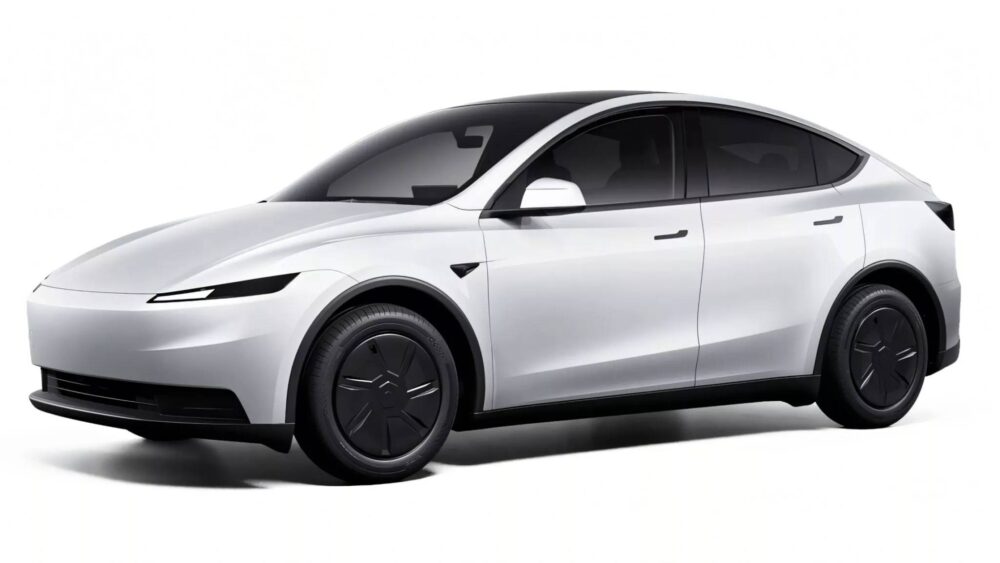
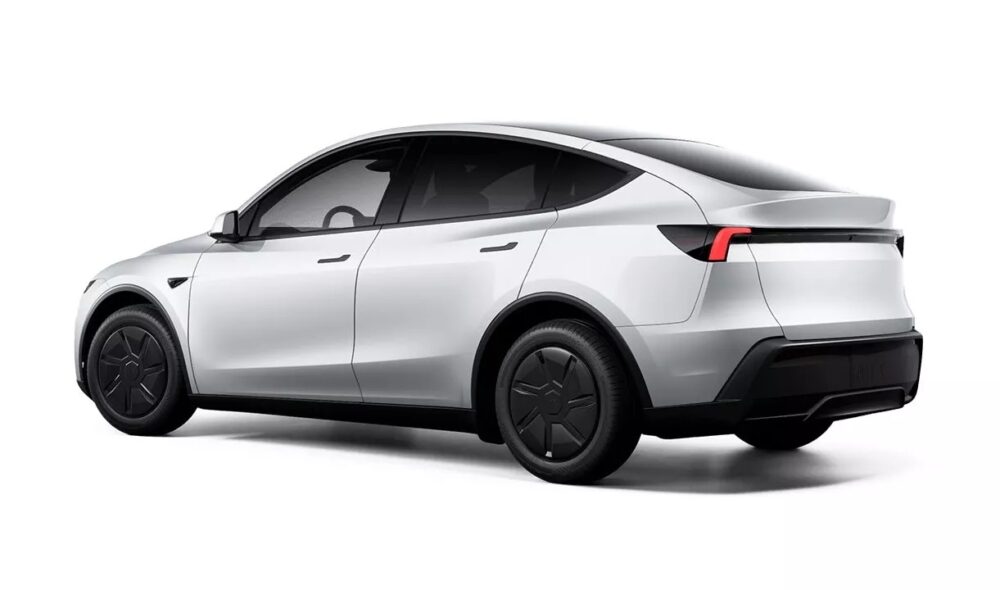
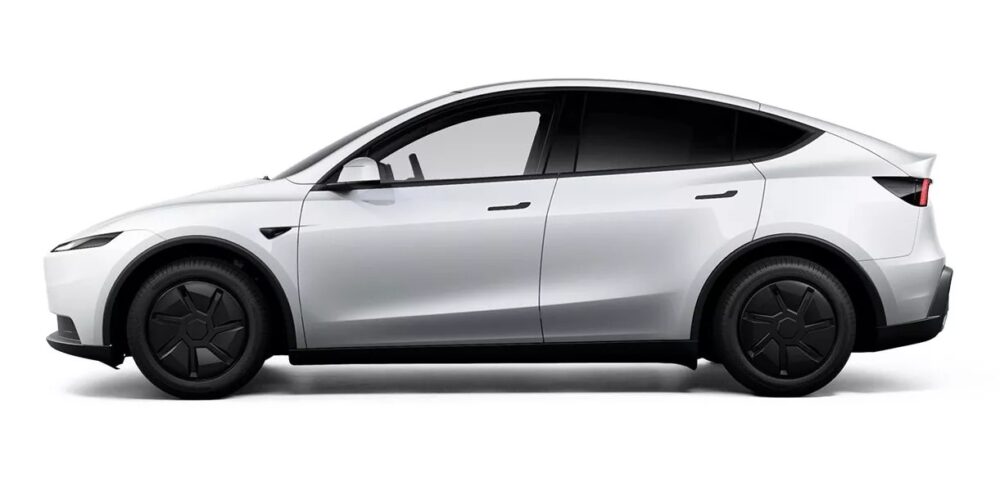
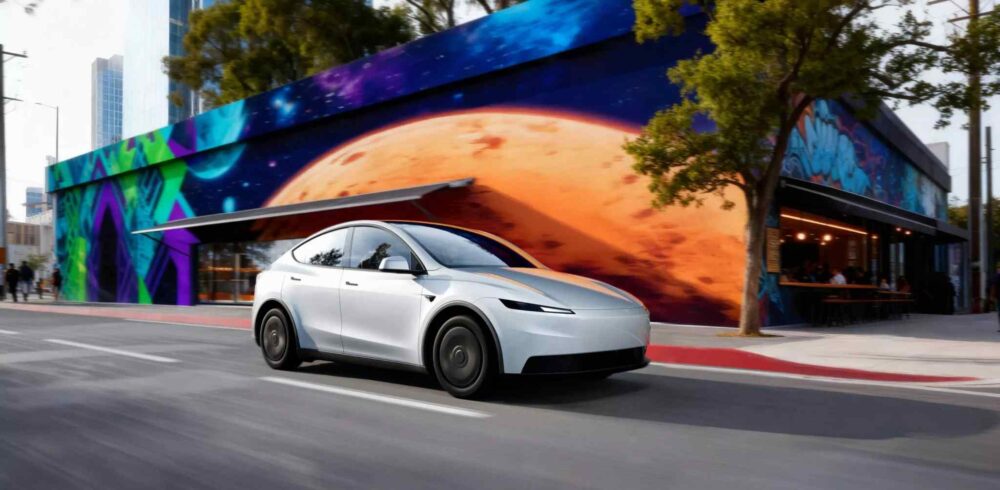
    Tesla introduces the Model Y Standard, marking a new era of affordable EVs. With 321 miles of range and 300 hp, it starts at just $41,630.

    A New Standard Era for Tesla Begins

    Tesla has officially launched a more affordable version of its flagship electric SUV, the Model Y Standard, priced at $41,630 in the U.S. (including destination and order fees). This new variant represents Tesla’s first major step toward “accessible electric mobility.”

    In parallel, the Model 3 Standard continues the same strategy on the sedan side with a starting price of $36,990. Both vehicles now belong to Tesla’s newly structured “Standard” lineup, which sits below the Premium and Performance trims.


    Balancing Price, Equipment, and Performance

    The new Model Y Standard features a single-motor, rear-wheel-drive (RWD) setup powered by a 69.5 kWh battery. It produces 300 horsepower and accelerates from 0 to 100 km/h (0–62 mph) in 6.8 seconds, offering 321 miles (approx. 516 km) of range. While this is 36 miles less than the Premium version, the Standard trim is $5,000 cheaper.

    Equipment has been notably simplified:

    • The panoramic glass roof has been replaced by an internally insulated fabric headliner, though the original glass remains beneath for structure.
    • Missing features include ventilated front seats, rear 8-inch touchscreen, ambient lighting, HEPA filter, and Bioweapon Defense Mode.

    This approach clearly illustrates Tesla’s focus on reducing production costs while keeping performance intact.


    Simplified Interior and Exterior Design

    Inside, the Model Y Standard replaces vegan leather with woven textile upholstery, adds a manual steering column, and switches to mechanical rear seat folding. The audio system now includes seven speakers instead of fifteen, while features such as AM/FM radio, auto-dimming mirrors, and power-folding side mirrors are absent.

    On the outside, the front bumper’s air intakes are simplified, while the Juniper-inspired taillights have been redesigned. Standard 18-inch wheels prioritize ride comfort, with optional 19-inch wheels available for an extra $1,500.


    Parallel Strategy with the Model 3 Standard

    Launched at the same time, the Model 3 Standard mirrors this approach with a $36,990 price tag, 321-mile range, and 5.8-second acceleration figure. However, unlike the Model Y, it retains a visible glass roof. Both models reflect Tesla’s new simplified trim naming — “Standard” and “Performance” — replacing the previous “Premium” hierarchy.


    2026 Model Y Pricing Structure

    VersionPrice (USD)Range (miles)0–60 mph (s)
    Model Y Standard41,6303216.8
    Model Y Premium46,6303575.4
    Model Y Premium AWD50,6303274.6
    Model Y Performance59,1303063.3

    This lineup highlights Tesla’s clear segmentation:
    those seeking performance versus those prioritizing economy and range.


    Piston Kafalar Comment

    With its new $41,000 price point, Tesla has made the Model Y more attainable than ever — but at the expense of several comfort and convenience features. Competitors such as the Hyundai Ioniq 5, Kia EV6, and Ford Mustang Mach-E offer richer feature sets at similar prices.

    Nevertheless, Tesla’s biggest edge remains its Supercharger network and software ecosystem, both unmatched in the EV market. This move may also signal the company’s first tangible step toward the long-awaited $25,000 budget Tesla.

    However, the “Standard” lineup also raises questions:
    How much of Tesla’s cost-cutting strategy will ultimately affect long-term durability and user experience?
    For instance, covering the glass roof instead of redesigning it from scratch hints at an aggressive push for cost optimization over engineering purity.

    Even so, with 321 miles of range, 300 hp, and a $41,630 tag, the Model Y Standard remains one of the most efficient electric SUVs globally — redefining Tesla’s philosophy of doing more with less.

    You may also like

    1. 1100 HP V12 ‘Turbio’: Pininfarina’s AI-Assisted Hypercar

    Discover Pininfarina’s bold fusion of human craftsmanship and artificial intelligence in the 1,100-hp V12 hybrid masterpiece — the Turbio.

    2. Tom Matano, the Father of the Mazda Miata and RX-7, Has Passed Away

    A heartfelt tribute to Tom Matano — the visionary designer behind Mazda’s most iconic sports cars, the Miata and RX-7.

  • 1,100 HP V12 ‘Turbio’: Pininfarina’s AI-Assisted Hypercar

    1,100 HP V12 ‘Turbio’: Pininfarina’s AI-Assisted Hypercar

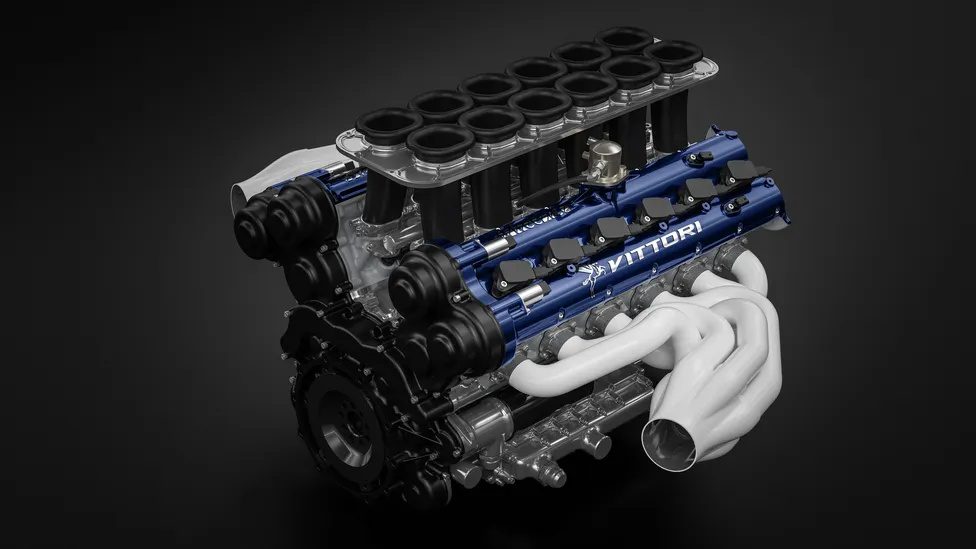
    Blending human artistry and artificial intelligence, Pininfarina’s “Turbio” hypercar debuts with a 6.8L V12 hybrid engine producing 1,100 hp.

    Where AI Meets Automotive Art

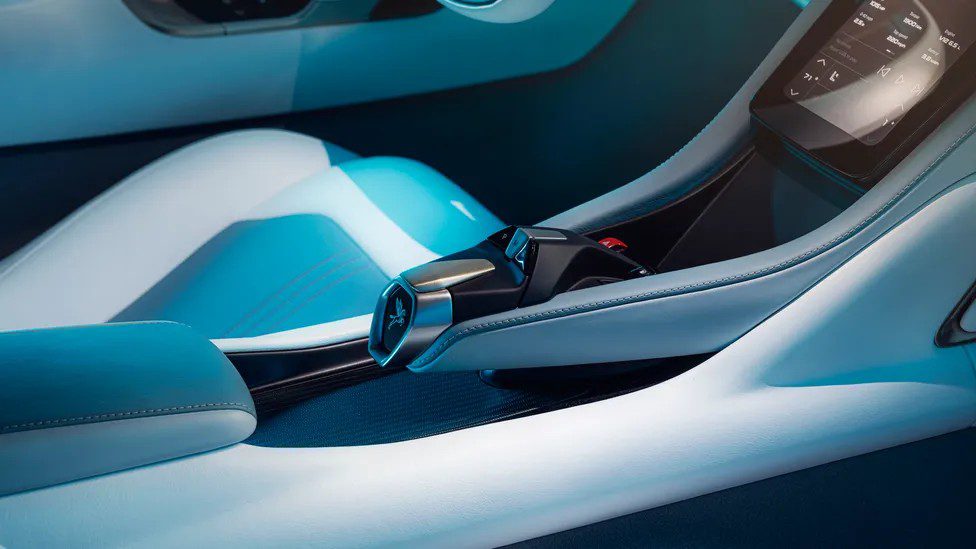
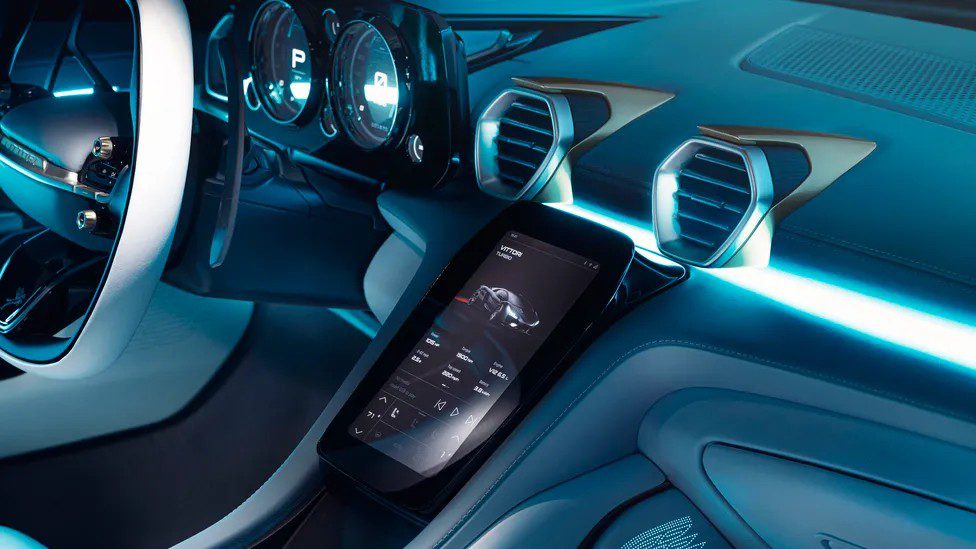
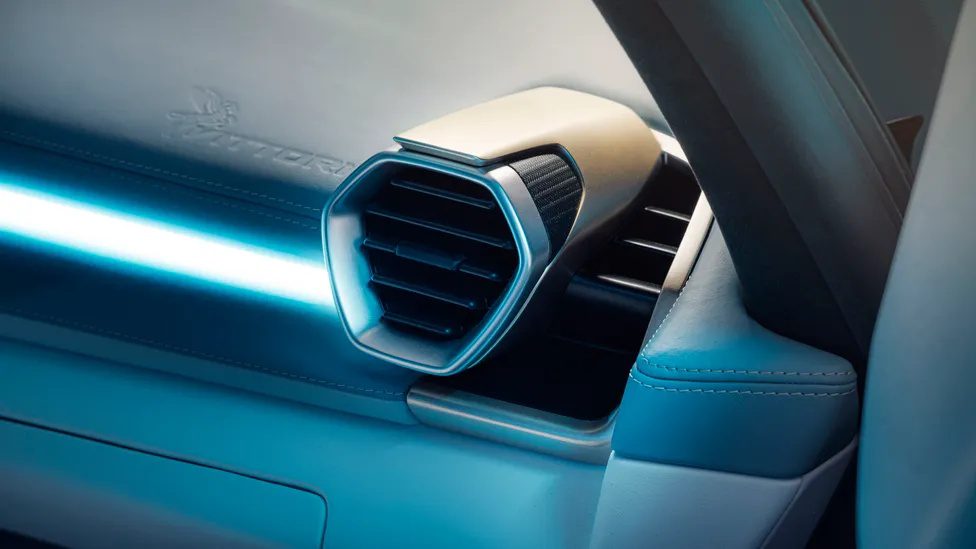
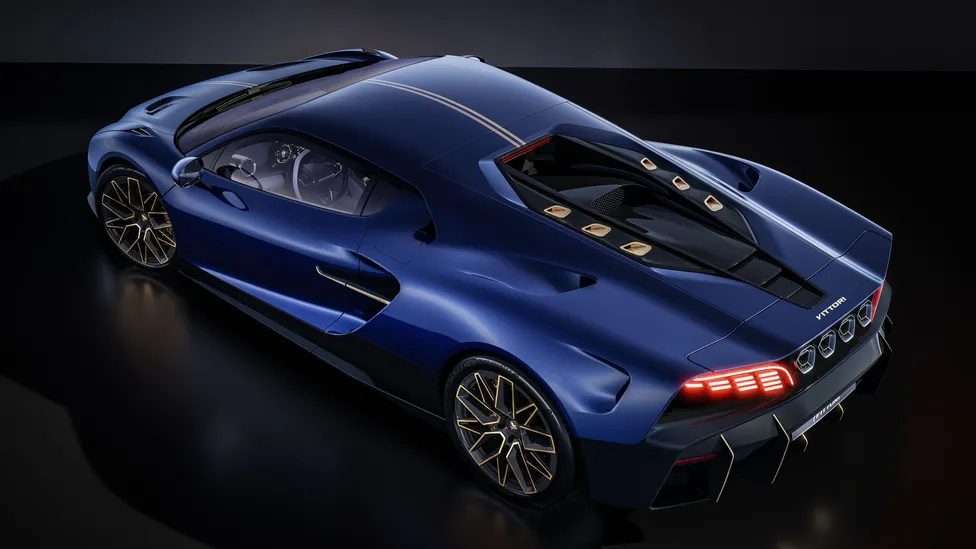
    In a design universe long defined by Pininfarina’s timeless elegance, the concept of AI-assisted design marks a bold new chapter for the automotive world. Developed under the Vittori project, Pininfarina officials confirmed that artificial intelligence was used during the early sketching stages:

    “AI allowed us to iterate hundreds of design alternatives in the initial concept phase. Pininfarina then refined those foundations with its trademark craftsmanship and sense of proportion.”

    This statement underscores the delicate balance between digital automation and traditional artistry — a discussion that continues to stir the design industry.


    Technical Details: Powertrain, Performance & Structure

    Powertrain
    The Turbio combines a naturally aspirated 6.8-liter V12 engine with a front-mounted electric motor, producing a total of 1,100 horsepower through its hybrid system.

    Performance
    Factory data claims a 0–100 km/h (0–60 mph) acceleration in under 2.5 seconds, placing the Turbio among the fastest hybrid hypercars ever conceptualized.

    Lightweight Intelligent Architecture
    3D printing technology is used not only for prototyping but also for structural and aerodynamic components, optimized by AI algorithms. The chassis integrates carbon fiber and titanium composites, while active aerodynamic elements — including a dynamic rear wing, front splitter, and diffuser system — continuously adjust airflow for optimal downforce. The suspension setup features Adaptive Magnetic Ride Control and a double wishbone configuration, ensuring both precision and comfort. Carbon-ceramic brakes, enhanced ABS, and stability control systems complete the high-performance package.


    Design Language & Exterior Identity

    Turbio’s visual DNA fuses classic Pininfarina sophistication with futuristic intensity.
    Early teaser visuals highlight the following design cues:

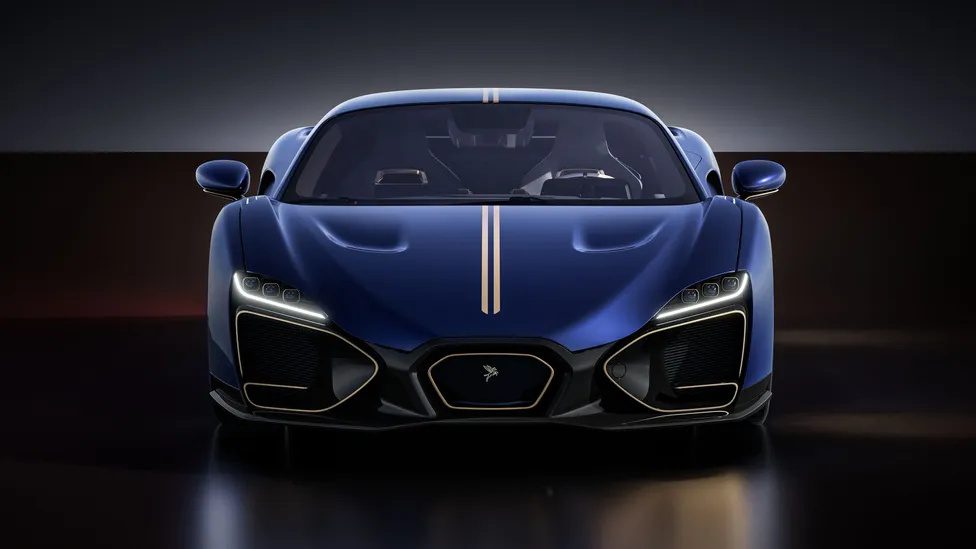
    • Horseshoe-shaped front grille, razor-slim headlights, and a pronounced splitter
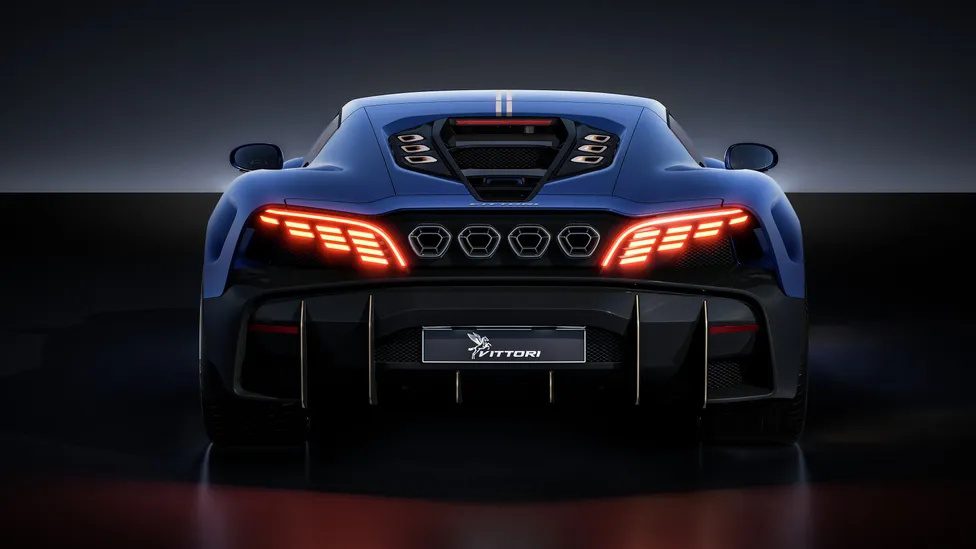
    • Double-bubble roof structure, sculpted air intakes, and an X-shaped taillight signature integrated into a muscular diffuser
    • Dimensions comparable to the Lamborghini Revuelto — around 4,947 mm in length and similar dry weight
    • Side protection panels crafted from recycled composite materials (similar to Starkle®) and a single-tone exterior color philosophy
    • Minimalist strap-style door handles replacing traditional mechanisms for purity and weight saving

    Production, Launch & Availability

    Production will be strictly limited to 50 units worldwide. The Turbio will make its official debut on October 4, 2025, during a private event in Miami. Pricing and production timelines remain undisclosed; the model is still classified as a concept vehicle.


    Challenges & Expectations

    As of now, Turbio remains in its concept phase. Critics question the true extent of AI’s involvement, suggesting that the Pininfarina name may overshadow the actual depth of artificial intelligence integration. Performance numbers are target figures, pending real-world validation once official testing begins.


    Piston Kafalar Comment

    The Turbio reignites one of the most fascinating debates in modern design: Can true artistry coexist with AI? Its 1,100-hp hybrid V12 unites tradition and innovation, but the real story lies in its AI-aided 3D printing and Pininfarina craftsmanship synergy. If successfully realized, the Turbio could stand not only as a technological marvel but also as a philosophical milestone redefining design authenticity in the AI era.

    That said, with the project still in its concept stage, the boundaries of AI’s influence will become clearer only once production begins.

    Visit Pininfarina’s Official Website here.

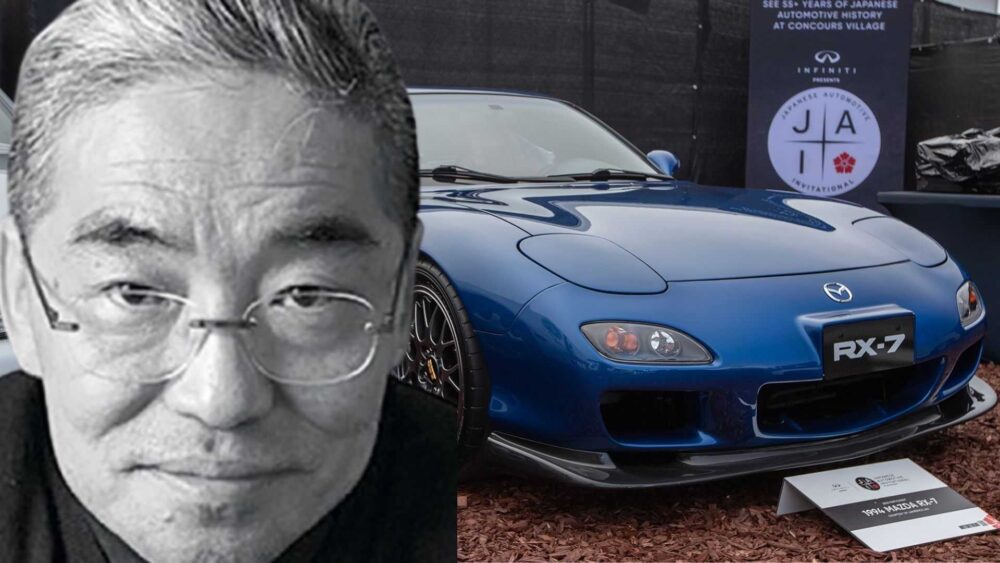
  • Tom Matano, the Father of the Mazda Miata and RX-7, Has Passed Away

    Tom Matano, the Father of the Mazda Miata and RX-7, Has Passed Away

    Tom Matano, the legendary designer behind the Mazda Miata and RX-7, has passed away at the age of 76. The story and legacy of one of the automotive world’s most influential figures.

    A Great Loss in the World of Sports Cars

    In automotive history, there are certain models that transcend mere transportation. Corvette, Mustang, Supra, RX-7, and Miata — these names form the foundation of car culture. Yet behind these icons stand the designers who brought them to life. One of those visionary minds, Tsutomu “Tom” Matano, known affectionately as “the Father of the Mazda Miata,” passed away recently at the age of 76.

    Matano was not only a designer but also a true visionary who embodied the purest form of automotive passion. The Mazda MX-5 Miata, born from his pen, remains the world’s best-selling roadster — reminding enthusiasts everywhere of the joy, lightness, and purity of driving.


    The Birth of the Miata: From Risk to Legend

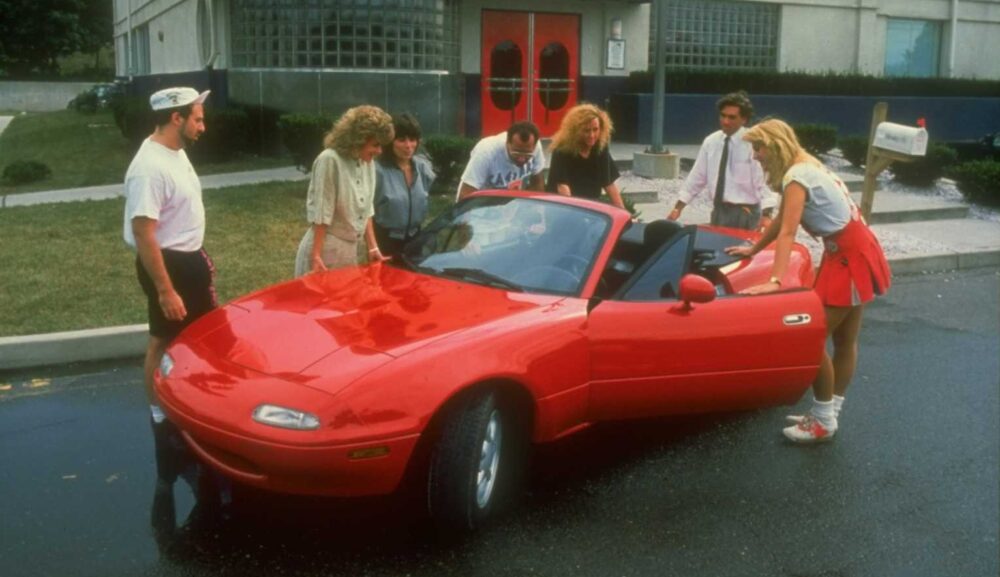
    By the late 1980s, the roadster market was all but dead. The era of small, affordable British sports cars had ended, and the concept of an open-top, lightweight driver’s car had lost its charm. It was in this environment that Bob Hall’s idea and Tom Matano’s design vision gave rise to the Miata — a car that defied the odds.

    When it debuted in 1989, the Miata embodied the philosophy of lightweight, simplicity, and fun. Matano’s meticulously sculpted lines, compact proportions, and driver-focused design made it an instant phenomenon. Automotive magazines put the Miata on their covers with the headline:

    “WARNING! This car may be addictive.”

    That line became the first sign of a movement — the moment when the Miata turned driving into a passion for millions.


    The Legendary Design of the RX-7 FD

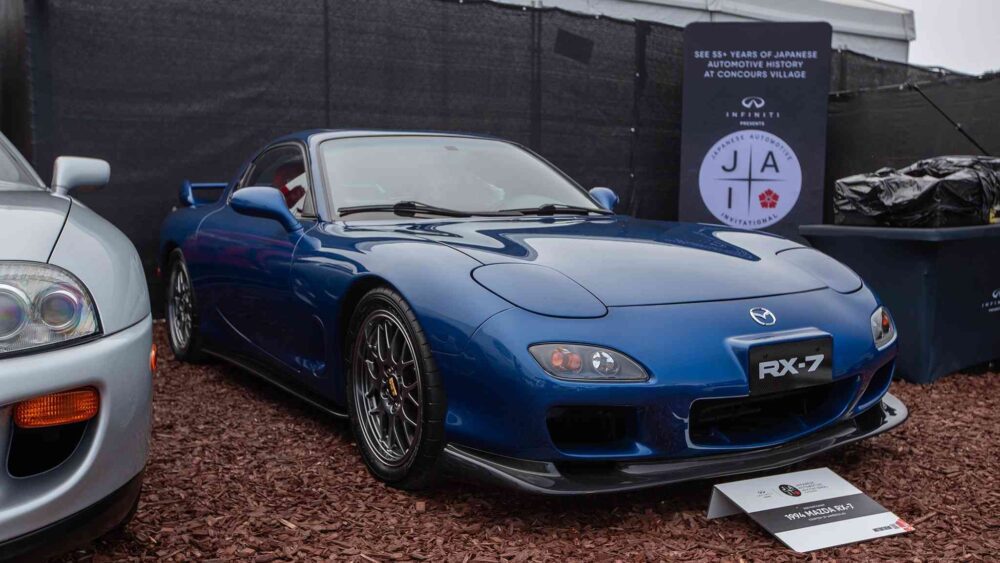
    Tom Matano’s design legacy didn’t stop with the Miata. In the early 1990s, the Mazda RX-7 FD emerged as one of the most captivating sports cars of its era. Its timeless, flowing design remains stunning even today. The FD RX-7 showcased Matano’s design talent at its absolute peak.

    Beyond beauty, its shape had purpose. Every curve served a function — a harmony of form and aerodynamics. From Japan to the U.S., Europe to Australia, the RX-7 captured the hearts of enthusiasts worldwide.


    A Global Career: From Holden to Mazda

    Tom Matano’s career spanned continents and decades:

    • In the 1970s, he worked at General Motors Australia (Holden), contributing to the design of the Torana sedan.
    • Later, he gained experience in the European design scene with BMW and Volvo.
    • In the 1980s, he joined Mazda’s North American Design Studio, where he reached the pinnacle of his career.

    At Mazda, Tom Matano led numerous projects alongside the Miata and RX-7. In 1999, he became Chief Designer at Mazda Motor Corp, and in 2002, he was appointed Director of the School of Industrial Design at the Academy of Art University in San Francisco.


    More Than a Designer: The Human Side

    Matano was known not just for his talent but also for his humility. Those who knew him often spoke of his warmth and friendship as much as his design genius.

    Robert Davis, a senior Mazda executive, once said:

    “Only Tom’s kindness could outshine his talent. He was a true car enthusiast and a gentleman.”

    IMSA President John Doonan remembered him with these words:

    “Listening to his stories could go on for days. The joy in his eyes when he spoke about the birth of the Miata showed why the automotive world was his true calling.”


    Cultural Legacy: Beyond the Miata

    Matano’s legacy goes far beyond cars. He redefined what “driving pleasure” truly means. Through the Miata, he gave millions not just a car, but friendships, clubs, events, and a global community.

    Annual Miata Reunion events continue to celebrate his vision. The message from participants is always the same:

    “Tom didn’t just give us a car — he gave us a family.”


    Final Years and Farewell

    In the mid-2000s, Matano served as Head of Design at Next Autoworks, before dedicating his later years to education — inspiring a new generation of designers. In his classes, he didn’t just teach how to draw cars, but how to make people feel through design.

    On September 20, 2025, Tom Matano passed away, leaving behind a 76-year life filled with creativity, passion, and inspiration for countless automotive enthusiasts.


    Piston Kafalar’s Comment

    Tom Matano’s passing is not just a loss for Mazda, but for the entire automotive world. The Miata and RX-7 will continue to roam the roads as symbols of his vision. Perhaps most importantly, every smile behind the wheel of a Miata serves as a living reminder that Tom Matano’s spirit is still with us.

    For Mazda owners in Turkey, official contact information can be found HERE.