Etiket: Automotive Innovation

  • Tesla’s Most Affordable Model Arrives: Tesla Model Y Priced at $41,630!

    Tesla’s Most Affordable Model Arrives: Tesla Model Y Priced at $41,630!

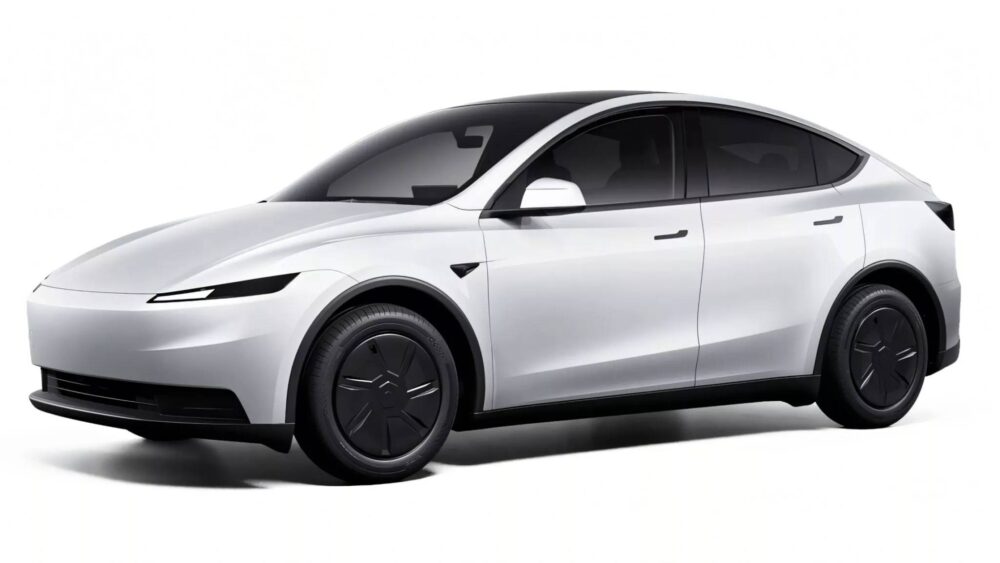
    Tesla introduces the Model Y Standard, marking a new era of affordable EVs. With 321 miles of range and 300 hp, it starts at just $41,630.

    A New Standard Era for Tesla Begins

    Tesla has officially launched a more affordable version of its flagship electric SUV, the Model Y Standard, priced at $41,630 in the U.S. (including destination and order fees). This new variant represents Tesla’s first major step toward “accessible electric mobility.”

    In parallel, the Model 3 Standard continues the same strategy on the sedan side with a starting price of $36,990. Both vehicles now belong to Tesla’s newly structured “Standard” lineup, which sits below the Premium and Performance trims.

    Balancing Price, Equipment, and Performance

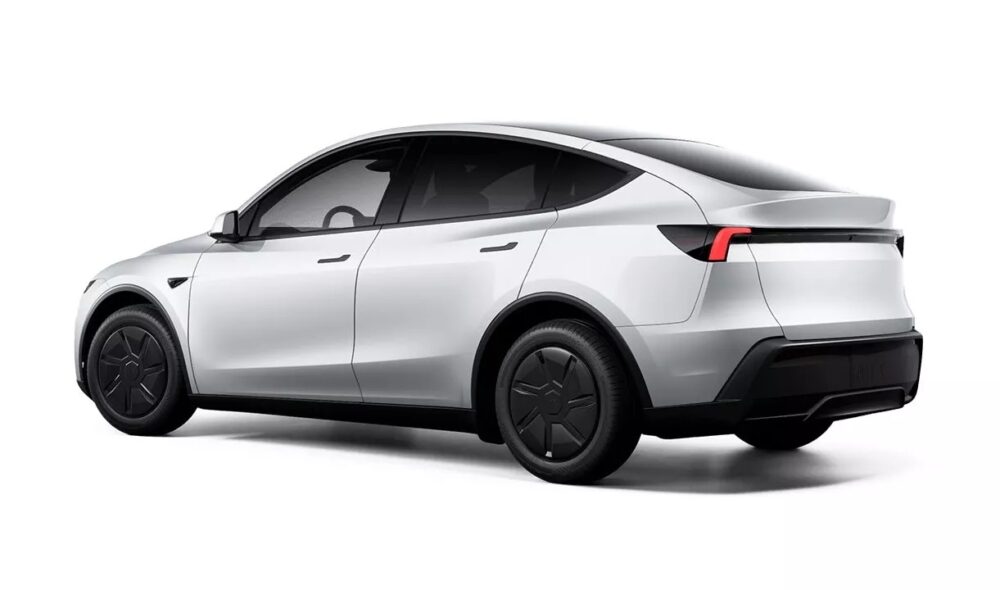
    The new Model Y Standard features a single-motor, rear-wheel-drive (RWD) setup powered by a 69.5 kWh battery. It produces 300 horsepower and accelerates from 0 to 100 km/h (0–62 mph) in 6.8 seconds, offering 321 miles (approx. 516 km) of range. While this is 36 miles less than the Premium version, the Standard trim is $5,000 cheaper.

    Equipment has been notably simplified:

    • The panoramic glass roof has been replaced by an internally insulated fabric headliner, though the original glass remains beneath for structure.
    • Missing features include ventilated front seats, rear 8-inch touchscreen, ambient lighting, HEPA filter, and Bioweapon Defense Mode.

    This approach clearly illustrates Tesla’s focus on reducing production costs while keeping performance intact.


    Simplified Interior and Exterior Design

    Inside, the Model Y Standard replaces vegan leather with woven textile upholstery, adds a manual steering column, and switches to mechanical rear seat folding. The audio system now includes seven speakers instead of fifteen, while features such as AM/FM radio, auto-dimming mirrors, and power-folding side mirrors are absent.

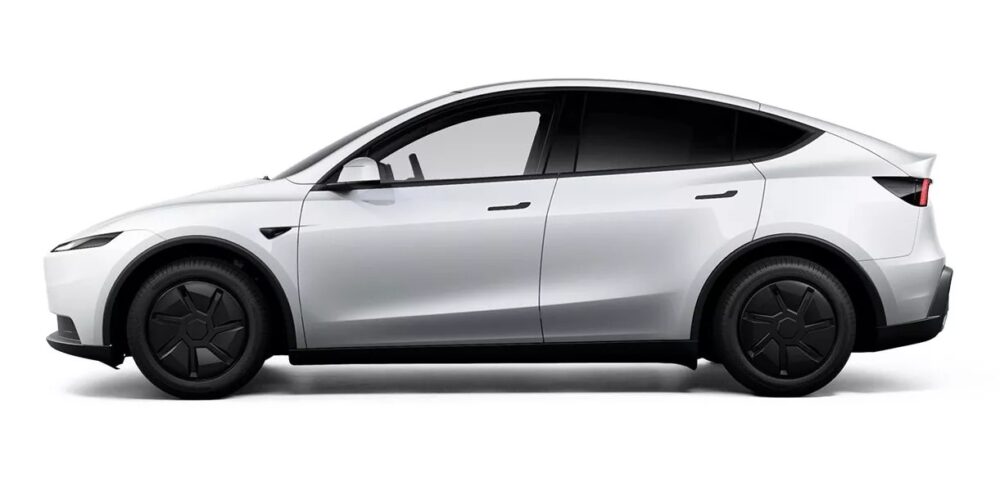
    On the outside, the front bumper’s air intakes are simplified, while the Juniper-inspired taillights have been redesigned. Standard 18-inch wheels prioritize ride comfort, with optional 19-inch wheels available for an extra $1,500.

    Parallel Strategy with the Model 3 Standard

    Launched at the same time, the Model 3 Standard mirrors this approach with a $36,990 price tag, 321-mile range, and 5.8-second acceleration figure. However, unlike the Model Y, it retains a visible glass roof. Both models reflect Tesla’s new simplified trim naming — “Standard” and “Performance” — replacing the previous “Premium” hierarchy.


    2026 Model Y Pricing Structure

    VersionPrice (USD)Range (miles)0–60 mph (s)
    Model Y Standard41,6303216.8
    Model Y Premium46,6303575.4
    Model Y Premium AWD50,6303274.6
    Model Y Performance59,1303063.3

    This lineup highlights Tesla’s clear segmentation:
    those seeking performance versus those prioritizing economy and range.


    Piston Kafalar Comment

    With its new $41,000 price point, Tesla has made the Model Y more attainable than ever — but at the expense of several comfort and convenience features. Competitors such as the Hyundai Ioniq 5, Kia EV6, and Ford Mustang Mach-E offer richer feature sets at similar prices.

    Nevertheless, Tesla’s biggest edge remains its Supercharger network and software ecosystem, both unmatched in the EV market. This move may also signal the company’s first tangible step toward the long-awaited $25,000 budget Tesla.

    However, the “Standard” lineup also raises questions:
    How much of Tesla’s cost-cutting strategy will ultimately affect long-term durability and user experience?
    For instance, covering the glass roof instead of redesigning it from scratch hints at an aggressive push for cost optimization over engineering purity.

    Even so, with 321 miles of range, 300 hp, and a $41,630 tag, the Model Y Standard remains one of the most efficient electric SUVs globally — redefining Tesla’s philosophy of doing more with less.

    You may also like

    1. 1100 HP V12 ‘Turbio’: Pininfarina’s AI-Assisted Hypercar

    Discover Pininfarina’s bold fusion of human craftsmanship and artificial intelligence in the 1,100-hp V12 hybrid masterpiece — the Turbio.

    2. Tom Matano, the Father of the Mazda Miata and RX-7, Has Passed Away

    A heartfelt tribute to Tom Matano — the visionary designer behind Mazda’s most iconic sports cars, the Miata and RX-7.
  • 1,100 HP V12 ‘Turbio’: Pininfarina’s AI-Assisted Hypercar

    1,100 HP V12 ‘Turbio’: Pininfarina’s AI-Assisted Hypercar

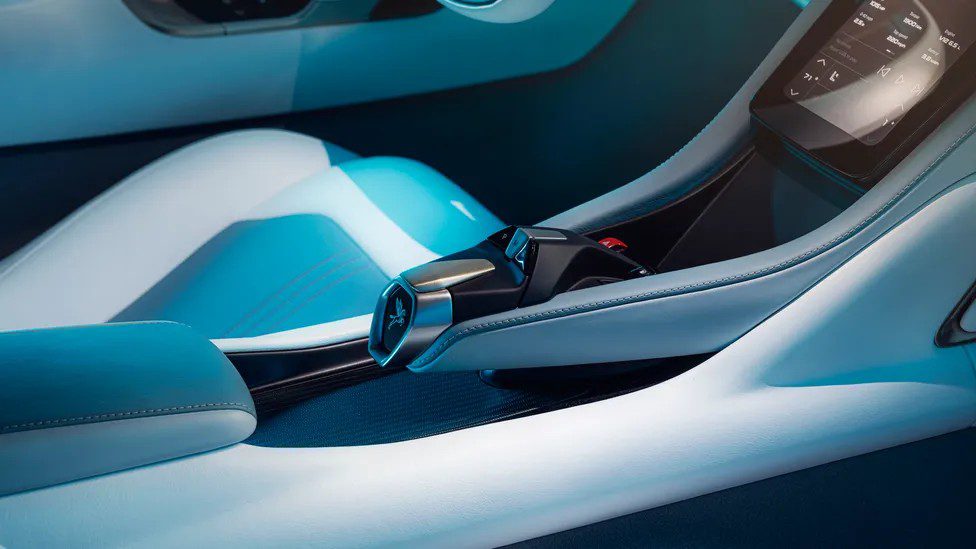
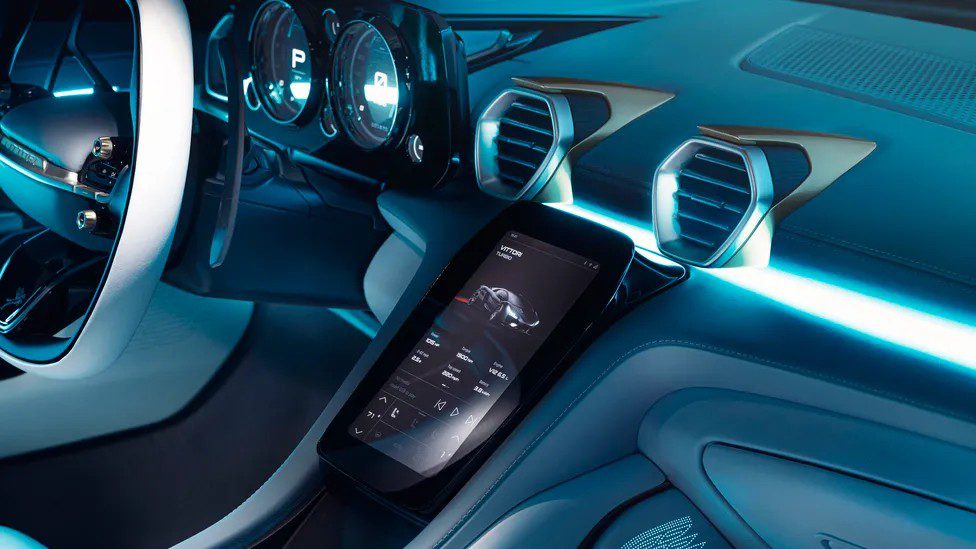
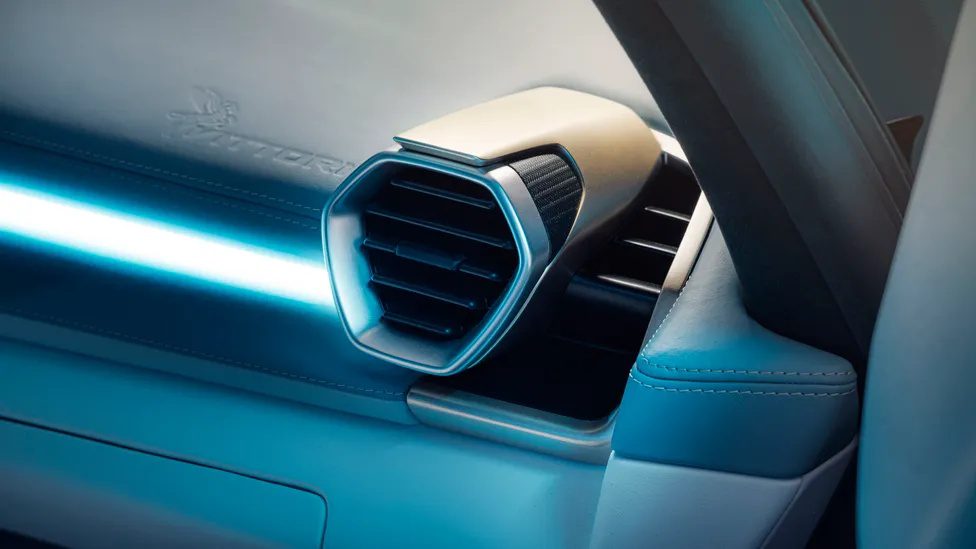
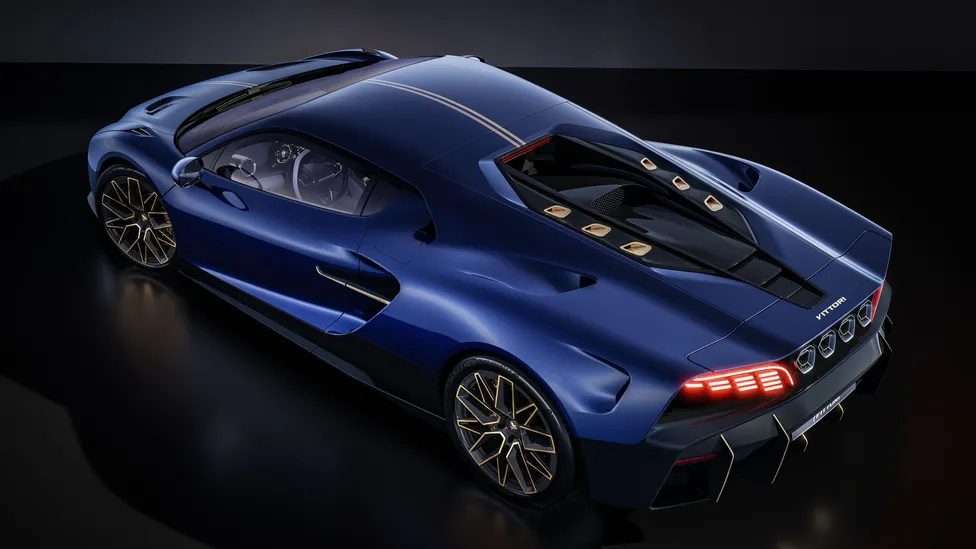
    Blending human artistry and artificial intelligence, Pininfarina’s “Turbio” hypercar debuts with a 6.8L V12 hybrid engine producing 1,100 hp.

    Where AI Meets Automotive Art

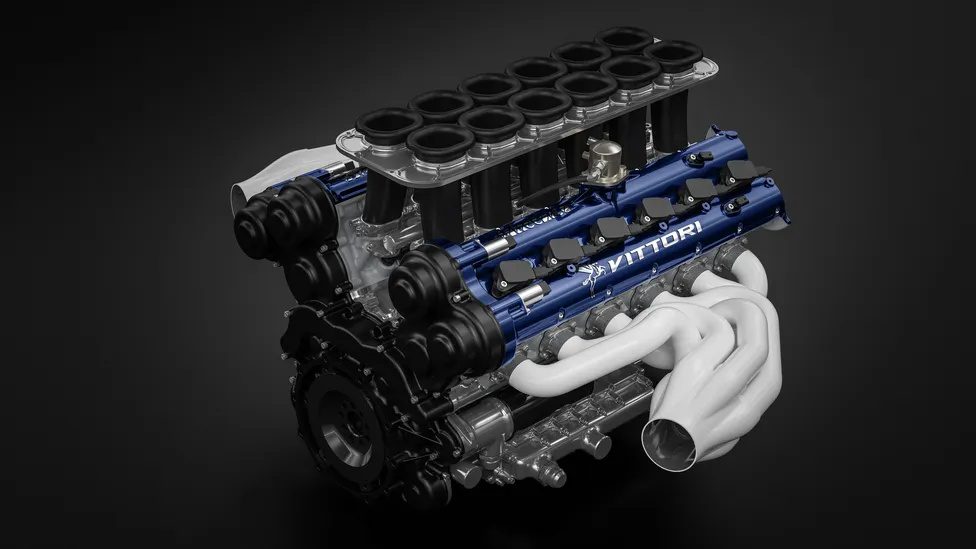
    In a design universe long defined by Pininfarina’s timeless elegance, the concept of AI-assisted design marks a bold new chapter for the automotive world. Developed under the Vittori project, Pininfarina officials confirmed that artificial intelligence was used during the early sketching stages:

    “AI allowed us to iterate hundreds of design alternatives in the initial concept phase. Pininfarina then refined those foundations with its trademark craftsmanship and sense of proportion.”

    This statement underscores the delicate balance between digital automation and traditional artistry — a discussion that continues to stir the design industry.


    Technical Details: Powertrain, Performance & Structure

    Powertrain
    The Turbio combines a naturally aspirated 6.8-liter V12 engine with a front-mounted electric motor, producing a total of 1,100 horsepower through its hybrid system.

    Performance
    Factory data claims a 0–100 km/h (0–60 mph) acceleration in under 2.5 seconds, placing the Turbio among the fastest hybrid hypercars ever conceptualized.

    Lightweight Intelligent Architecture
    3D printing technology is used not only for prototyping but also for structural and aerodynamic components, optimized by AI algorithms. The chassis integrates carbon fiber and titanium composites, while active aerodynamic elements — including a dynamic rear wing, front splitter, and diffuser system — continuously adjust airflow for optimal downforce. The suspension setup features Adaptive Magnetic Ride Control and a double wishbone configuration, ensuring both precision and comfort. Carbon-ceramic brakes, enhanced ABS, and stability control systems complete the high-performance package.


    Design Language & Exterior Identity

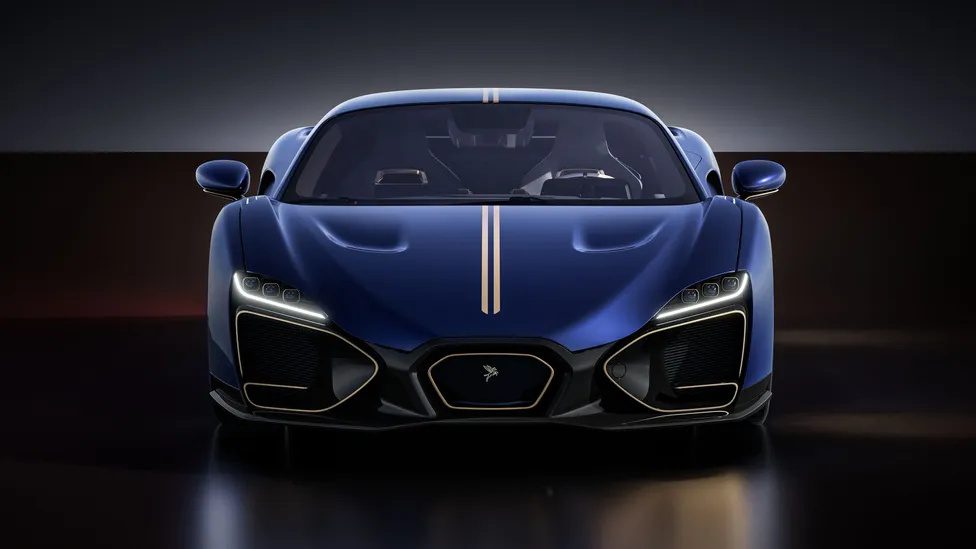
    Turbio’s visual DNA fuses classic Pininfarina sophistication with futuristic intensity.
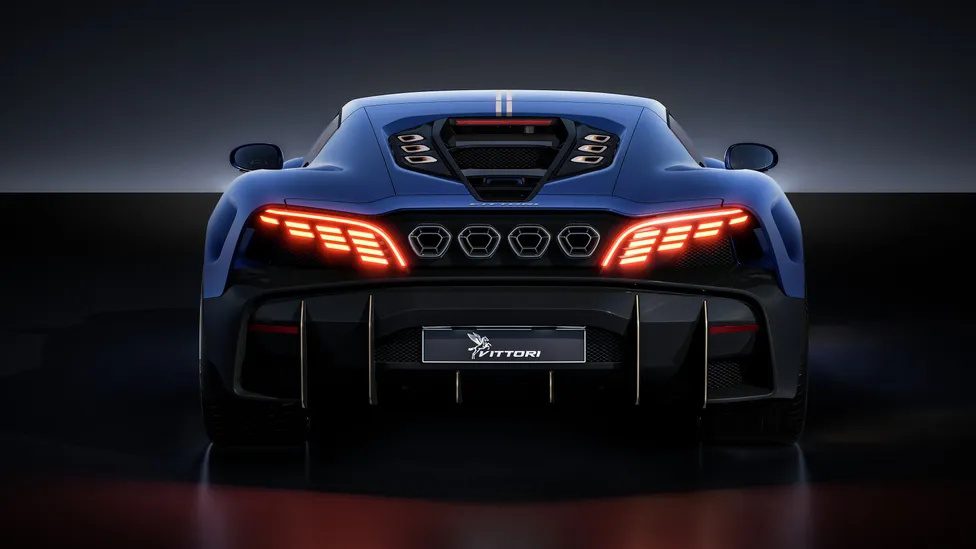
    Early teaser visuals highlight the following design cues:

    • Horseshoe-shaped front grille, razor-slim headlights, and a pronounced splitter
    • Double-bubble roof structure, sculpted air intakes, and an X-shaped taillight signature integrated into a muscular diffuser
    • Dimensions comparable to the Lamborghini Revuelto — around 4,947 mm in length and similar dry weight
    • Side protection panels crafted from recycled composite materials (similar to Starkle®) and a single-tone exterior color philosophy
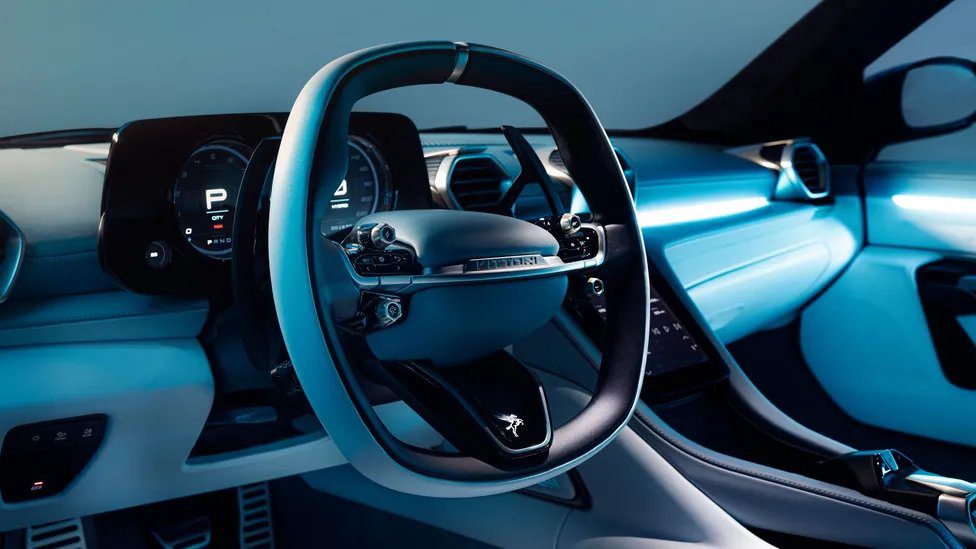
    • Minimalist strap-style door handles replacing traditional mechanisms for purity and weight saving

    Production, Launch & Availability

    Production will be strictly limited to 50 units worldwide. The Turbio will make its official debut on October 4, 2025, during a private event in Miami. Pricing and production timelines remain undisclosed; the model is still classified as a concept vehicle.


    Challenges & Expectations

    As of now, Turbio remains in its concept phase. Critics question the true extent of AI’s involvement, suggesting that the Pininfarina name may overshadow the actual depth of artificial intelligence integration. Performance numbers are target figures, pending real-world validation once official testing begins.


    Piston Kafalar Comment

    The Turbio reignites one of the most fascinating debates in modern design: Can true artistry coexist with AI? Its 1,100-hp hybrid V12 unites tradition and innovation, but the real story lies in its AI-aided 3D printing and Pininfarina craftsmanship synergy. If successfully realized, the Turbio could stand not only as a technological marvel but also as a philosophical milestone redefining design authenticity in the AI era.

    That said, with the project still in its concept stage, the boundaries of AI’s influence will become clearer only once production begins.

    Visit Pininfarina’s Official Website here.